
Every spring, drivers look forward to warmer weather, blooming trees and longer days. Unfortunately in South Carolina, spring also brings one of the biggest enemies of your vehicle’s exterior: pollen. That fine yellow dust that coats everything outdoors can quickly accumulate on your car, and if it isn’t cleaned off properly, it can actually damage your paint over time.
Understanding how pollen affects your vehicle and how to protect it during peak pollen season can help keep your car looking newer for longer.
Why Pollen Is Harmful to Your Car
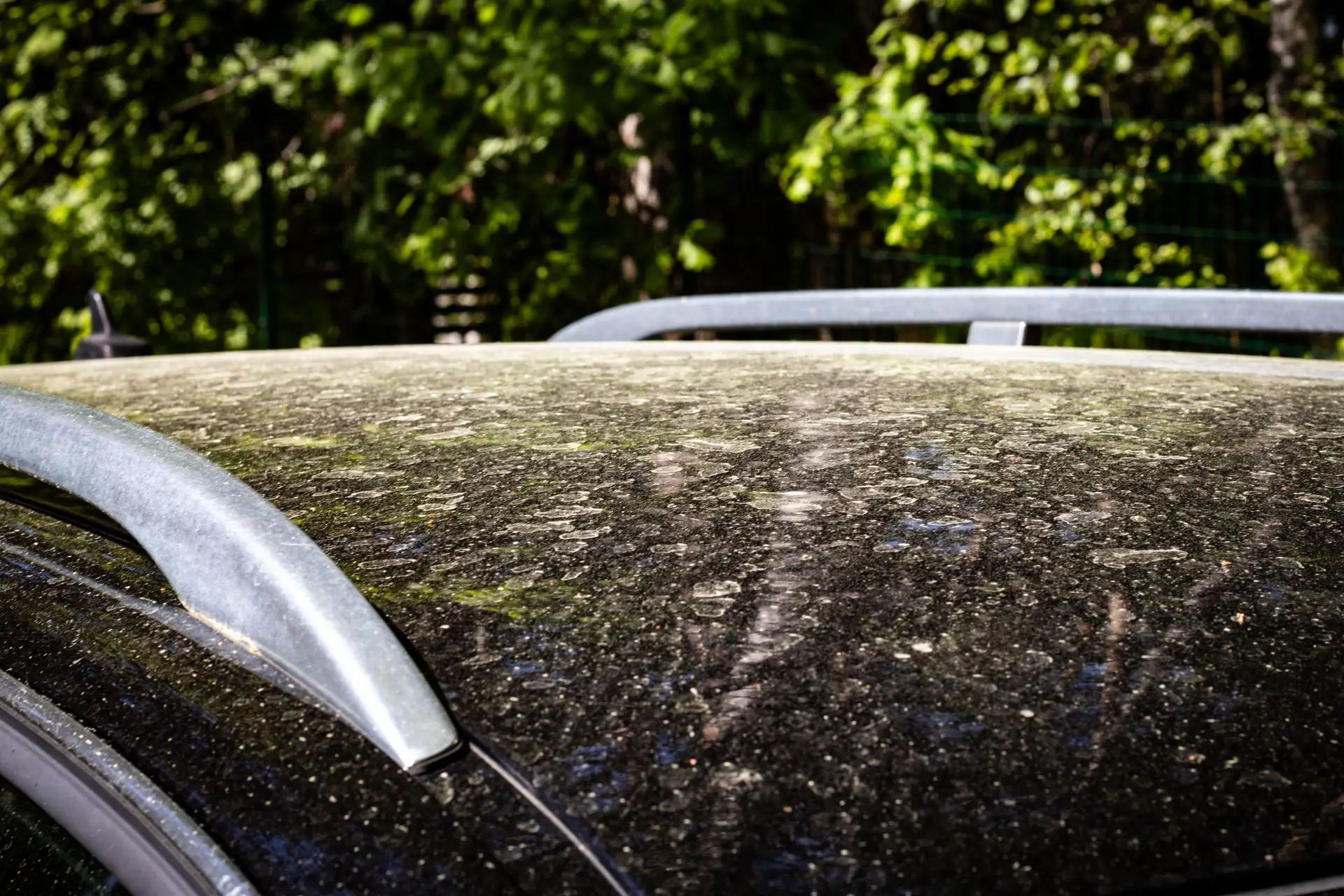
At first glance, pollen might seem harmless. It looks like a light layer of dust that you can simply rinse away. However, pollen particles are more complex than they appear.
Pollen grains are microscopic plant spores with a hard outer shell and sticky surface designed to cling to insects and other surfaces. When they land on your car, they can adhere tightly to the paint and clear coat.
Here’s why pollen buildup can become a problem:
Acidic Compounds
Pollen can contain acidic compounds that interact with moisture, rain and morning dew. When left on the surface of your vehicle, this combination can slowly weaken your paint’s protective clear coat.
Paint Etching
When pollen sits on your car in direct sunlight, heat can cause the particles to break down and bond more aggressively to the paint surface. Over time, this can lead to etching, dull spots or staining.
Abrasive Scratching
Because pollen particles have textured shells, wiping them off a dry vehicle can act like sandpaper. This can create micro-scratches and swirl marks in your paint.
How to Prepare Your Car for Pollen Season
The best way to protect your vehicle during heavy pollen season is to prepare your paint and keep up with regular cleaning.
Apply a Protective Sealant
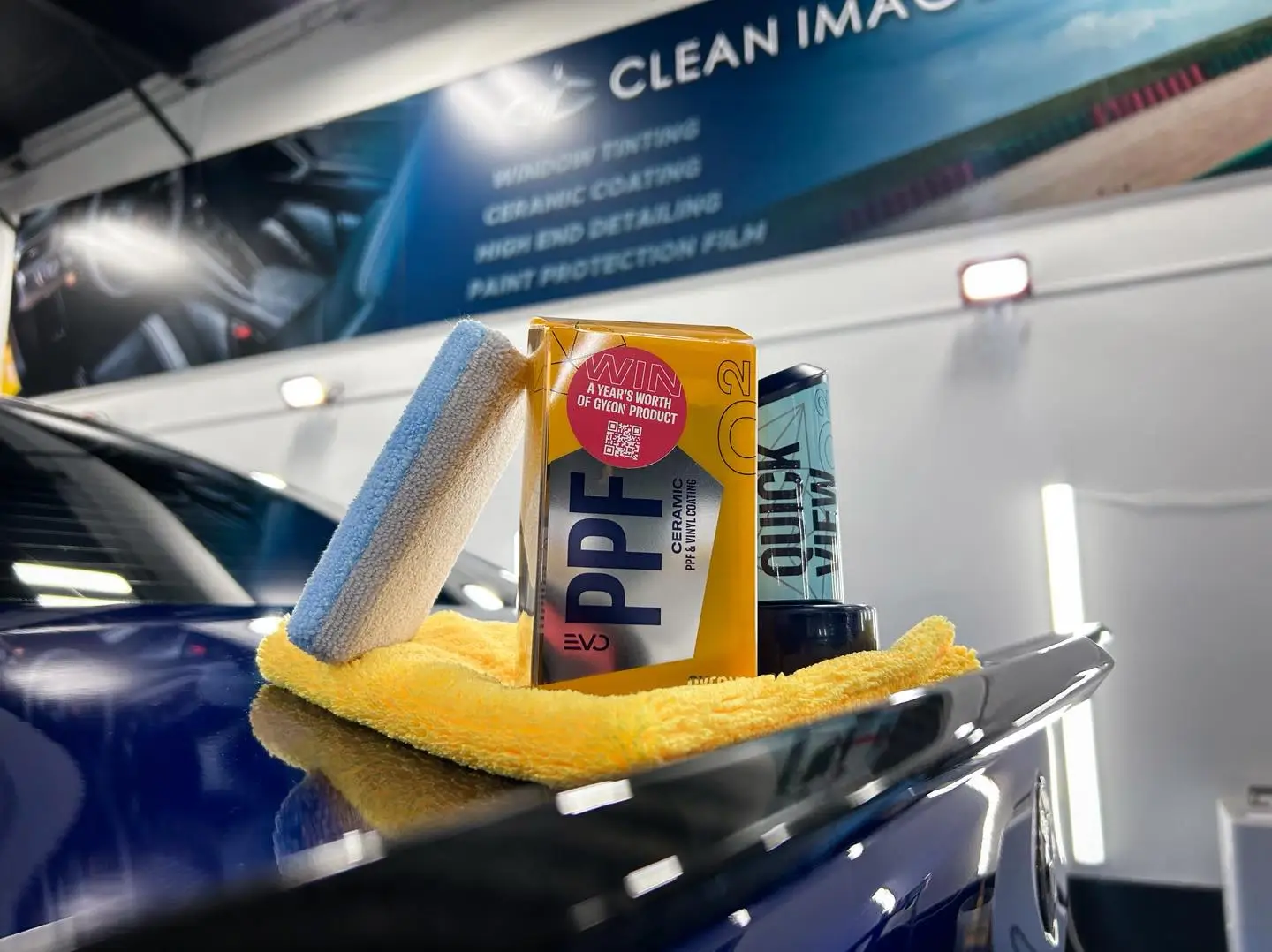
Before pollen season begins, applying a high-quality paint sealant creates a protective barrier over your vehicle’s clear coat. This layer makes it much harder for pollen to bond to the paint and makes washing it off significantly easier.
Ceramic coatings are professional sealants that offer longer-lasting protection.
Wash Your Car More Frequently
During peak pollen season, your car may need to be washed once or twice a week depending on the severity in your area. Frequent washing prevents buildup and reduces the chances of staining or etching.
When washing:
- Always rinse the car first to remove loose pollen
- Use a quality car shampoo and microfiber wash mitt
- Avoid wiping pollen off a dry surface
- Rinse thoroughly and dry with a clean microfiber towel
Avoid Dry Dusting Your Vehicle
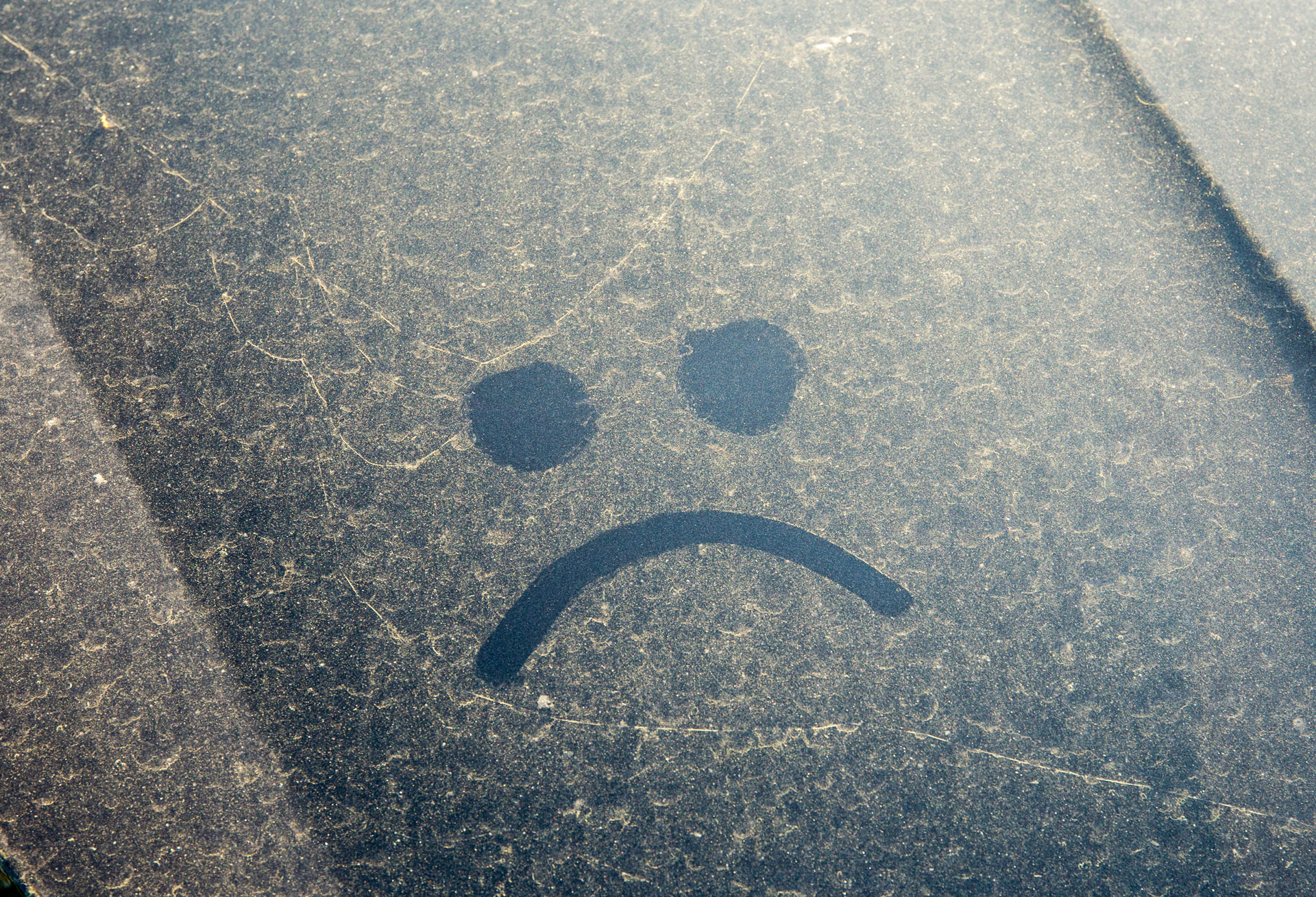
One of the biggest mistakes drivers make is using a towel or duster to remove pollen from a dry car. Even though pollen looks soft, it can still scratch your paint.
Always rinse with water first before touching the surface.
Park Smart When Possible
If possible, try to park:
- In a garage
- Under covered parking
- Away from heavy tree canopies
- Trees like oak, pine and birch release especially heavy pollen that can quickly coat vehicles.
Don’t Forget the Other Parts of Your Car
Pollen doesn’t just affect the paint. It can also impact other parts of your vehicle.
Cabin Air Filters
Heavy pollen can clog your cabin air filter quickly. Replacing it during peak season can improve air quality inside your vehicle.
Windshield and Wipers
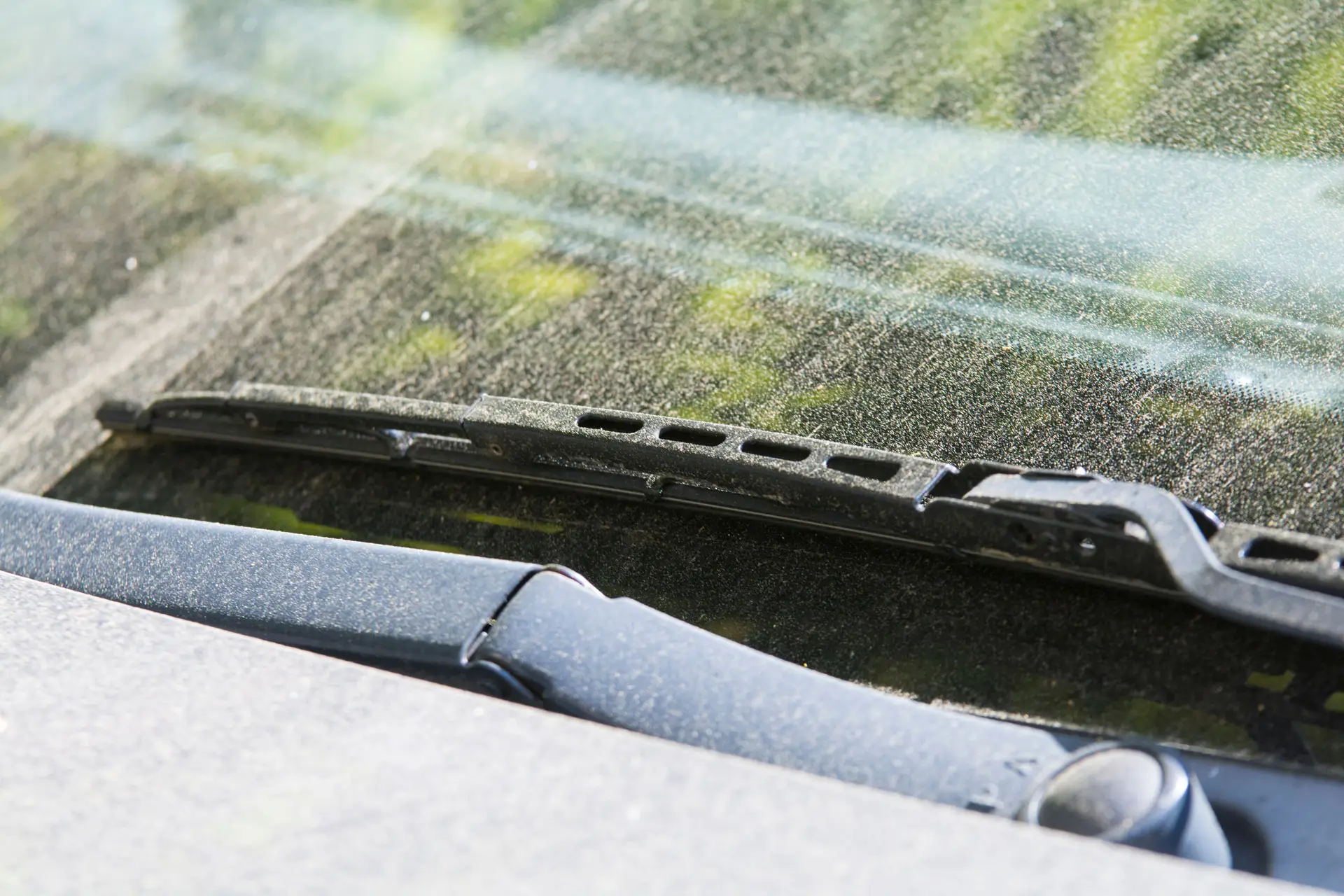
Pollen buildup on the windshield can smear and reduce visibility. Keep washer fluid topped off and ensure wiper blades are in good condition.
Door Seals and Vents
Pollen can collect around seals and ventilation areas, so regular rinsing helps prevent buildup.
Keep Your Vehicle Looking Its Best
Don’t let spring pollen dull your vehicle’s shine or damage your paint. Regular professional cleaning and protective treatments can keep your car looking like new all season long. Clean Image offers expert exterior washes, paint-safe cleaning and protective treatments designed to remove stubborn pollen buildup and shield your vehicle’s finish. Schedule your next detail today and keep your car protected throughout pollen season.