Have questions about protecting, restoring or upgrading your vehicle? Explore answers to frequently asked questions about ceramic coating, paint protection film, window tint and paint correction, including benefits, installation, durability, maintenance and aftercare. The Clean Image team is here to help you understand your options and choose the right services for your vehicle.
Ceramic Coating
A cutting-edge chemical protection layer that bonds to your paint, creating an ultra-hard, hydrophobic surface. This service amplifies gloss, simplifies washing and provides long-term resistance against environmental contaminants like UV rays and road grime
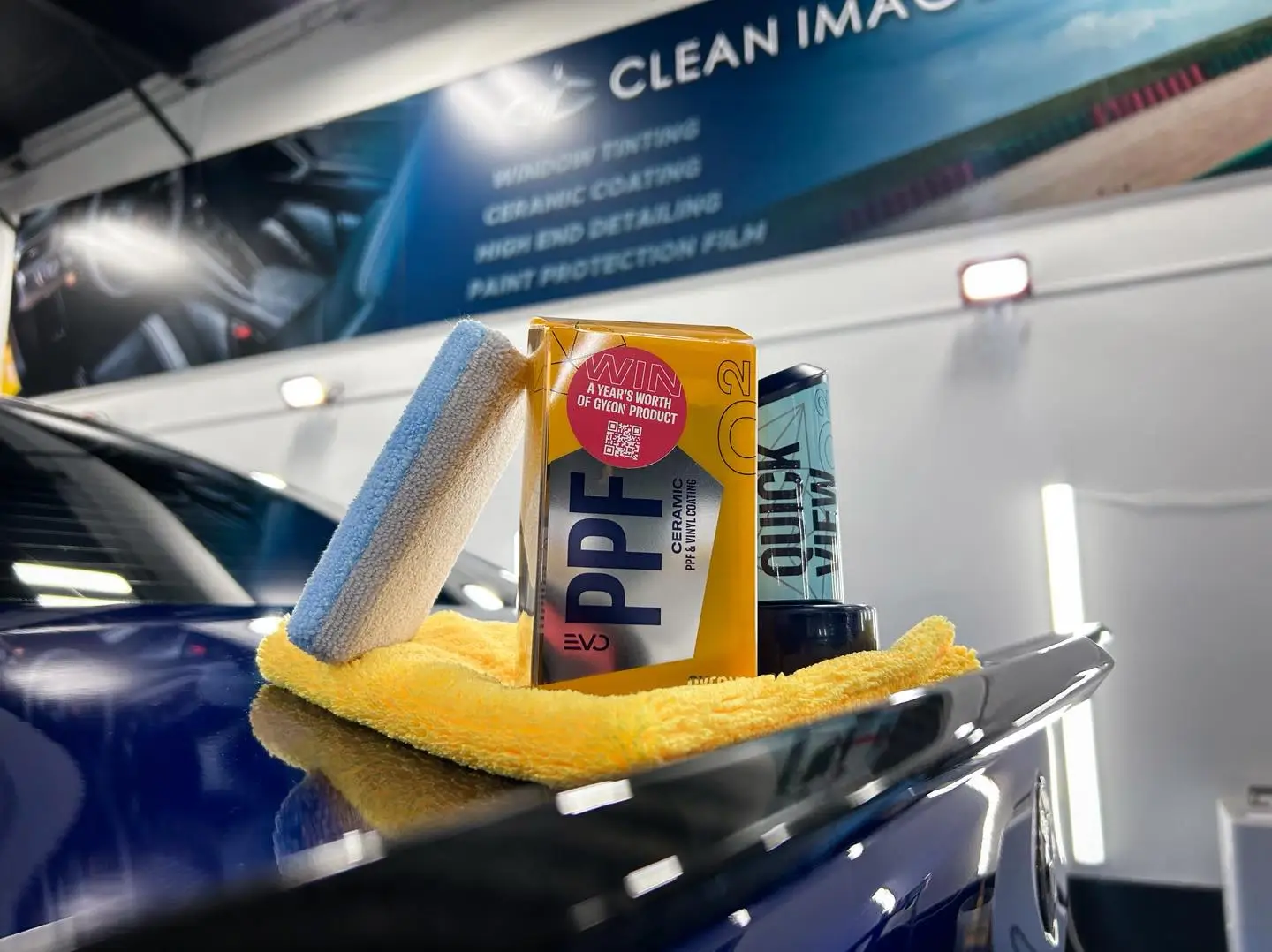
What is a GYEON ceramic coating?
GYEON ceramic coating is a liquid polymer applied to the exterior of your vehicle. It chemically bonds with the vehicle’s factory paint, creating a layer of protection that is significantly harder and more durable than traditional wax or sealants. It provides a permanent or semi-permanent bond that does not wash away or break down quickly.
How does GYEON ceramic coating benefit my car?
GYEON coatings protect against UV damage, chemical stains, bird droppings and environmental pollution, while making your vehicle easier to wash and helping maintain a showroom-fresh look.
How long does the coating last?
Unlike waxes that last a few months, GYEON coatings are designed for long-term durability. Depending on the specific package you choose and how the vehicle is maintained, protection can last from 5 years to an indefinite period with proper maintenance.
Will a ceramic coating prevent scratches?
While GYEON coatings add a layer of hardness that helps resist light marring and swirl marks, no ceramic coating is 100% scratch-proof. Its primary job is to protect against environmental damage (UV rays, bird droppings, sap, road salts) and to make the car incredibly easy to clean. For physical impact protection against rock chips, we recommend Paint Protection Film (PPF).
Do I still need to wash my car after it is coated?
Yes. A ceramic coating is not “maintenance-free,” but it is “low-maintenance.” The hydrophobic (water-repelling) properties mean that dirt and grime have a harder time sticking to the surface, making your washes faster and easier. You will no longer need to wax your car, but regular washing is required to keep the coating performing its best.
Can GYEON coating be applied to surfaces other than paint?
Absolutely. We have specific GYEON formulations designed for your wheels, glass and plastic trim. Coating these areas helps repel brake dust, improves visibility in rain and prevents plastic from fading.
Does a brand-new vehicle need paint correction before ceramic coating?
Possibly. New vehicles can still have swirl marks, light scratches, water spots or contamination caused by transportation, dealership storage and improper washing. We inspect the paint before installation and recommend the appropriate level of preparation or correction so the coating preserves the cleanest possible finish.
Will ceramic coating hide scratches or paint imperfections?
No. Ceramic coating is transparent and does not fill or conceal scratches, swirl marks, oxidation or other paint defects. Because it enhances gloss and clarity, existing imperfections may become more noticeable. Correcting the paint before application produces a smoother and more refined finished appearance.
How long does ceramic coating installation take?
The timeframe depends on the vehicle’s size and condition, the amount of decontamination or paint correction required and the coating package selected. More extensive correction and multi-surface packages require additional time. Clean Image can provide a more accurate timeframe after inspecting your vehicle.
How long does ceramic coating take to cure?
Initial curing begins after application, but the coating continues developing its full performance over time. During the early curing period, the vehicle should remain dry and protected from direct sunlight and contamination. GYEON’s instructions for some EVO coatings specify keeping the surface away from water for the first 12 hours, but exact aftercare can vary by product. Follow the instructions provided by Clean Image for your selected coating.
What happens if it rains shortly after installation?
Water exposure during the initial curing period can interfere with the coating or leave mineral deposits on the surface. Keep the vehicle sheltered for the period recommended by our installers. Contact Clean Image for guidance if unexpected rain or moisture reaches the vehicle shortly after application.
When can I wash my vehicle after ceramic coating?
Wait until the coating has completed the initial curing period specified by your installer. Washing too soon may affect the newly applied surface. Once regular washing resumes, use proper techniques, a clean microfiber wash mitt and products appropriate for ceramic-coated vehicles.
Can I take a ceramic-coated vehicle through an automatic car wash?
A ceramic coating will not prevent damage caused by harsh brushes, dirty wash media or aggressive chemicals. Careful hand washing is the preferred method for preserving the coating and reducing swirl marks. GYEON recommends using a pH-neutral shampoo and avoiding harsh chemicals when maintaining its coatings.
Do I need to wax a ceramic-coated vehicle?
Traditional waxing is generally unnecessary because the ceramic coating already provides gloss, water repellency and surface protection. Applying an incompatible wax may temporarily change the coating’s water behavior. Use a coating-safe maintenance product when additional slickness or hydrophobic performance is desired.
What maintenance products should I use?
Use pH-neutral shampoo and products specifically marked as safe for ceramic coatings. GYEON also offers maintenance products such as Q²M Cure that can refresh water repellency and support coating performance when needed.
Can ceramic coating still develop water spots?
Yes. Ceramic coating improves water repellency, but it cannot eliminate the possibility of mineral deposits. Water allowed to dry on the surface — especially hard water — can still leave spots. Dry the vehicle after washing and avoid allowing sprinkler water or mineral-rich water to remain on the paint. GYEON notes that water spots can occur on coated surfaces when they are improperly maintained.
What should I do if the coating stops beading water?
Reduced beading does not always mean the coating has failed. Road film, minerals and other contamination can clog the surface and temporarily weaken its water behavior. A thorough decontamination wash may restore performance. GYEON offers dedicated maintenance washes designed to remove buildup and help coatings regain their original water behavior.
How quickly should bird droppings, insects or tree sap be removed?
Remove contamination as soon as reasonably possible. Ceramic coating adds chemical resistance and makes many contaminants easier to clean, but acidic or stubborn substances can still stain or etch the surface when left in place for an extended period. Use a coating-safe cleaner and avoid aggressive scrubbing.
Can ceramic coating be applied over paint protection film?
Yes. GYEON offers a coating specifically formulated for modern paint protection film. It can enhance water repellency and help protect PPF against dirt, staining, UV exposure and discoloration without affecting the film’s flexibility or appearance.
Should I choose ceramic coating or paint protection film?
The two products serve different purposes. Ceramic coating enhances gloss, repels water and contamination and makes routine cleaning easier. Paint protection film provides a thicker physical barrier against rock chips, road debris and minor impacts. Many owners combine PPF on high-impact areas with ceramic coating across the vehicle for more complete protection.
Can ceramic coating be applied to matte or satin paint?
Yes, but a coating specifically designed for matte and satin surfaces should be used. GYEON Q² Matte EVO protects matte paint, PPF and vinyl without adding gloss or changing the original texture and appearance.
Can ceramic coating be applied to vinyl wraps?
Compatible coatings can be applied to many vinyl wraps. The appropriate product depends on whether the wrap has a gloss, satin or matte finish. GYEON offers formulations designed to protect matte and satin vinyl without creating unwanted shine.
Can a ceramic coating be removed?
Yes, but a fully cured coating generally cannot simply be washed away. Mechanical polishing is typically required to abrade and remove it from painted surfaces. Removal should be completed professionally to avoid unnecessarily reducing the clear coat.
Can the vehicle be polished after it has been coated?
Polishing can reduce or remove the ceramic coating because it abrades the treated surface. If scratches or defects develop after installation, have the area evaluated before polishing. The affected panel may need to be corrected and recoated afterward.
Is ceramic coating worthwhile on an older vehicle?
Yes, provided the finish is in suitable condition. Older vehicles often benefit significantly from professional decontamination and paint correction before coating. The coating can then preserve the restored appearance, enhance gloss and make future maintenance easier.
Does ceramic coating require professional maintenance?
Regular washing remains the most important part of maintenance. Periodic professional inspections and decontamination services can identify mineral buildup, embedded contamination or weakened water behavior before they become larger problems. The recommended schedule depends on how often the vehicle is driven, where it is stored and the conditions it encounters.
Paint Protection Film
The ultimate defense against physical road hazards. This invisible, self-healing urethane film is applied to high-impact zones (or the full vehicle) to absorb rock chips, scratches and debris, preserving your factory paint in pristine condition.
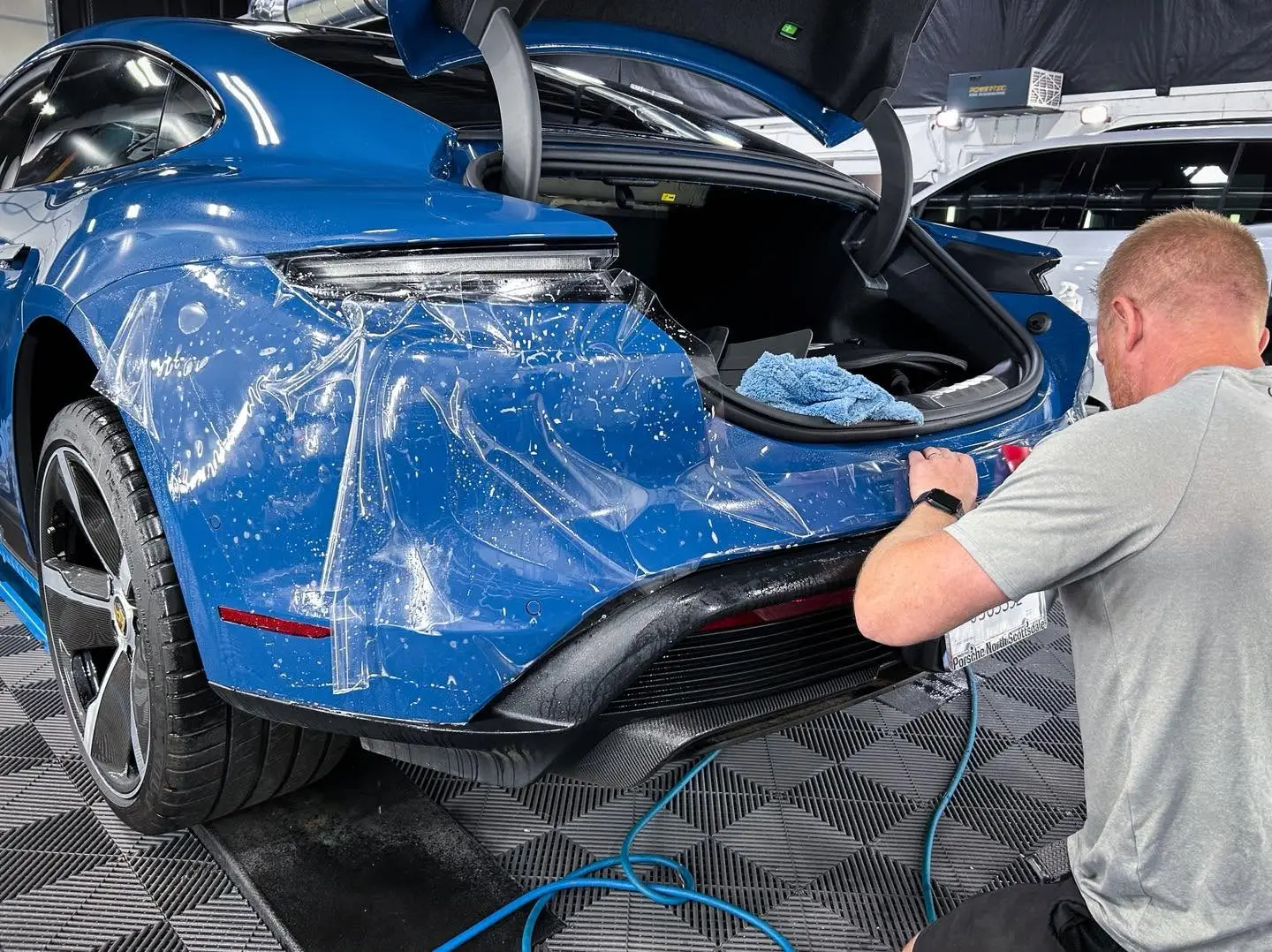
What is paint protection film (PPF)?
Paint protection film (PPF), often called “Clear Bra,” is a transparent, virtually invisible urethane film applied to high-impact areas of your vehicle (like the hood, bumper, mirrors or the entire car). It acts as a sacrificial shield to protect your paint from rock chips, road debris, and physical scratches.
What makes SunTek PPF special?
SunTek PPF offers self-healing technology, hydrophobic surfaces, and excellent optical clarity — protecting your vehicle’s paint while enhancing its appearance.
Does SunTek PPF really "heal" itself?
Yes. SunTek PPF features heat-activated self-healing technology. Minor scratches and swirl marks on the film will disappear when exposed to heat from the sun or a vehicle engine. This keeps the film looking glossy and smooth over time.
What is the difference between PPF and ceramic coating?
Think of PPF as physical protection and ceramic coating as chemical protection.
- PPF prevents rock chips and deep scratches.
- Ceramic Coating provides gloss, hydrophobicity (easy cleaning), and UV protection.
- Pro Tip: For the ultimate defense, we often apply GYEON ceramic coating on top of SunTek PPF.
Can I ceramic coat over PPF?
Yes. Applying a ceramic coating over PPF is recommended to boost gloss, hydrophobic performance and ease of cleaning.
How do I care for PPF?
Wait a few days after installation before washing. Hand washing with soap and water is best.
Will the film turn yellow over time?
No. We use SunTek Ultra films which are engineered to resist yellowing and staining. They are backed by a 10-Year Manufacturer’s Limited Warranty ensuring the film maintains its clarity and durability.
Can the film be removed later?
Yes. PPF is designed to be permanent but can be safely removed by a professional without damaging your factory paint, revealing the pristine finish underneath.
How long does PPF installation take?
Installation time depends on the vehicle, selected coverage package, panel complexity and the amount of surface preparation required. A smaller protection package may be completed more quickly, while full-front or complete-vehicle coverage requires additional installation and curing time. Clean Image can provide a more accurate timeframe after reviewing your vehicle and chosen package.
Will PPF hide existing scratches, chips or paint defects?
PPF is transparent, so existing paint imperfections may remain visible beneath the film. Before installation, we inspect and prepare the covered surfaces and can recommend paint correction or touch-up work when appropriate. For the best appearance, visible defects should generally be addressed before the film is applied.
Can PPF be installed on a repainted panel?
SunTek PPF is designed primarily for installation over original factory paint. Tell us if any panels have been repaired or repainted so we can evaluate them before installation. SunTek notes that its limited warranty does not apply when PPF is installed over repainted or aftermarket-painted surfaces, and fresh paint typically needs time to cure before film can be considered.
Is paint protection film completely scratch-proof?
No film can make a vehicle completely resistant to every scratch, impact or form of damage. SunTek PPF helps defend against common hazards such as rock chips, road debris, insects, light scratches and minor abrasions, but particularly sharp objects or severe impacts can penetrate the film.
Does PPF change the color or appearance of my vehicle?
Clear SunTek PPF is engineered for excellent optical clarity and is designed to preserve the appearance of the paint beneath it. Gloss film maintains a glossy factory-style finish, while SunTek Ultra Matte can protect factory matte paint or give glossy paint a smooth satin appearance.
Can PPF be applied to headlights?
Yes. Headlight protection is available as part of select packages or as an add-on. Film applied to compatible headlights can help protect their surfaces against road debris, minor impacts and everyday wear. Clean Image currently offers headlights as a listed PPF add-on.
Will there be visible seams or edges?
The visibility of edges depends on the selected package, the shape of the panel and whether complete or partial coverage is being installed. Full-panel coverage generally provides a more seamless appearance than partial coverage because it avoids a film line across the middle of a hood or fender. Our installers use precision-cut patterns and carefully finished edges to keep the installation as discreet as possible.
What happens if one section of PPF becomes damaged?
Because PPF acts as a sacrificial protective layer, the film may absorb damage that would otherwise affect the paint. In many cases, the damaged film can be removed and replaced on the affected panel without replacing PPF across the entire vehicle. The area should be inspected first to determine whether the damage is limited to the film.
Can I take a PPF-protected vehicle through an automatic car wash?
SunTek recommends hand washing with soap, water and a soft cloth. Automatic car washes and pressure washers should be avoided because brushes or concentrated water pressure may catch an edge and cause the film to lift. SunTek also recommends waiting at least three days after installation before washing the vehicle.
Is PPF only worthwhile for new or expensive vehicles?
No. PPF can benefit new vehicles, daily drivers, performance cars, trucks and older vehicles with well-maintained paint. The ideal coverage depends on how the vehicle is driven and where damage is most likely to occur. Partial or full-front coverage can provide practical protection without requiring a complete vehicle wrap.
When is the best time to install PPF on a new vehicle?
Installing PPF early helps protect the factory finish before rock chips, scratches and road wear begin to accumulate. However, even a vehicle that has already been driven can be protected after its paint has been properly inspected, cleaned and prepared.
Window Tint
High-performance window films that elevate both the style and comfort of your ride. Utilizing advanced ceramic and carbon technology, this service rejects solar heat, blocks harmful UV rays and reduces glare without interfering with electronic signals.
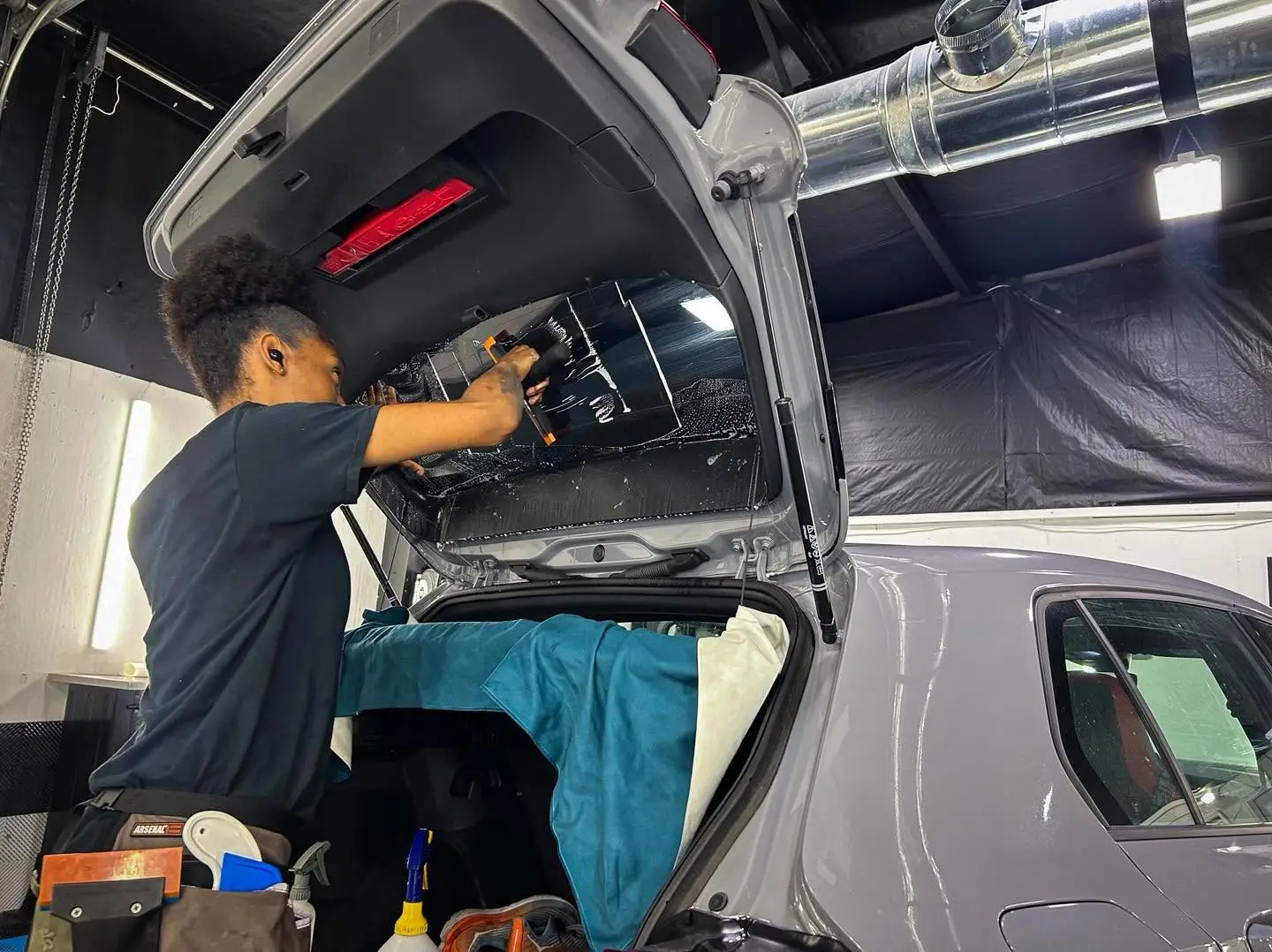
Why should I tint my windows beyond just "the look"?
While style is a big factor, SunTek window films provide significant functional benefits:
- Heat Rejection: Blocks up to 98% of infrared heat, keeping your cabin cooler and reducing A/C usage.
- UV Protection: Blocks 99% of harmful UV rays, protecting your skin and preventing your dashboard and leather from fading.
- Glare Reduction: Improves visibility and reduces eye strain during bright days.
What are the benefits of SunTek window tint?
SunTek tint enhances comfort and appearance while reducing heat, glare and UV exposure. It can also improve privacy and protect interior surfaces from sun damage.
Will the tint interfere with my GPS or cell signal?
No. We use SunTek ceramic and carbon films which are non-metalized. This ensures absolutely zero interference with your GPS, satellite radio, cell phone or tire pressure sensors.
What is the warranty on window tint?
Our SunTek window films come with a Lifetime Limited Warranty. This covers you against bubbling, peeling, cracking or color change (turning purple) for as long as you own the vehicle.
What is the difference between SunTek Evolve, CXP and Carbon Series?
Evolve is SunTek’s premium ceramic option and provides the highest level of heat and infrared rejection. CXP offers upgraded nano-hybrid carbon performance at a balanced price, while Carbon Series provides dependable heat control, UV protection, privacy and style at the most economical level.
Does darker window tint provide better heat rejection?
Not necessarily. Tint darkness primarily determines how much visible light passes through the glass, while heat rejection depends heavily on the film’s construction and technology. A lighter premium ceramic film may reject more heat than a much darker basic film.
How do I choose the right tint shade?
The best shade depends on your desired appearance, privacy, nighttime visibility and the windows being tinted. Our team can show you the available options and help you select a shade that complements your vehicle while complying with applicable regulations.
What window tint is legal in South Carolina?
South Carolina regulates tint according to factors such as window location, vehicle type, visible light transmission and reflectivity. Because laws may change and different rules can apply to different vehicles, we will help you choose an appropriate option, but the vehicle owner remains responsible for maintaining legal compliance.
Can you tint my windshield?
Windshield tint options are available, including a sunstrip across the upper portion of the windshield and certain lighter films designed to reduce heat and UV exposure. Windshield installations must comply with applicable South Carolina requirements.
Can my sunroof or panoramic roof be tinted?
Yes. Tinting a sunroof or panoramic roof can help reduce glare, solar heat and UV exposure from overhead glass. We will evaluate the glass and recommend an appropriate film for your specific vehicle.
How long does window tint installation take?
Installation time depends on the vehicle, the number and shape of the windows, the selected package and whether old tint must first be removed. We can provide a more accurate estimate after reviewing your vehicle and requested coverage.
Why should I avoid rolling down my windows after installation?
The film needs time to dry and bond securely to the glass. Rolling the windows down too soon could disturb the film near the upper edges. Follow the aftercare instructions provided by our team before operating newly tinted windows.
Are bubbles or haziness normal after installation?
Some temporary moisture, light haziness or small water pockets may be visible immediately after installation. These generally improve as the film dries and fully bonds to the glass. Contact us if you notice an area that does not improve after the expected curing period.
How long does window tint take to cure?
Curing time varies with the film, weather, temperature and humidity. Warm, sunny conditions may help the film dry more quickly, while cool or humid weather can extend the process. We will explain what to expect when your installation is completed.
How should I clean tinted windows?
After the initial curing period, clean the interior glass with a soft microfiber cloth and a cleaner intended for tinted windows. Avoid abrasive tools or harsh products that could scratch or damage the film.
Can you remove old, bubbling or purple window tint?
Yes. Old or failing tint can be professionally removed before new SunTek film is installed. Removal time and difficulty depend on the film’s age, adhesive condition, window design and whether the glass contains defroster lines or antennas.
Will tint damage my rear-window defroster?
Professionally installed film is designed to work with factory rear-window defroster lines. Extra care is required when removing old tint because aggressive removal methods can damage the lines attached to the glass.
My SUV already has dark rear windows. Do I still need window film?
Factory privacy glass creates a darker appearance but may not provide the same solar-control performance as a dedicated automotive window film. Adding SunTek film can provide additional heat rejection, UV protection and a more consistent appearance across the vehicle.
Can you match the front windows to my factory rear privacy glass?
In many cases, we can select a film that creates a closer visual match between the front windows and the factory-darkened rear glass. The final appearance can vary because factory glass and aftermarket film produce darkness differently.
Will window tint make it difficult to see at night?
Visibility depends largely on the selected shade and the driver’s preferences. Very dark tint can make nighttime visibility more difficult, particularly on poorly lit roads. Our team can help you balance privacy and appearance with comfortable day and night visibility.
Does window tint protect my vehicle’s interior?
SunTek window film blocks harmful UV rays and helps reduce solar exposure that can contribute to fading, cracking and discoloration of dashboards, upholstery, leather and trim.
Can window tint be installed over existing film?
New film should generally not be applied over old aftermarket tint. Existing film and adhesive should first be removed so the new SunTek film can bond properly and achieve a cleaner, more uniform finish.
Is ceramic window tint worth the upgrade?
Ceramic tint is a strong choice for drivers who prioritize maximum heat rejection and cabin comfort without choosing an extremely dark shade. SunTek Evolve provides the page’s highest level of heat and infrared protection while remaining non-metallic and signal-friendly.
Paint Correction
A meticulous restoration process designed to remove surface imperfections such as swirl marks, fine scratches and oxidation. By leveling the clear coat, we reveal the true depth, clarity and gloss of your paint, creating a flawless base for protection.
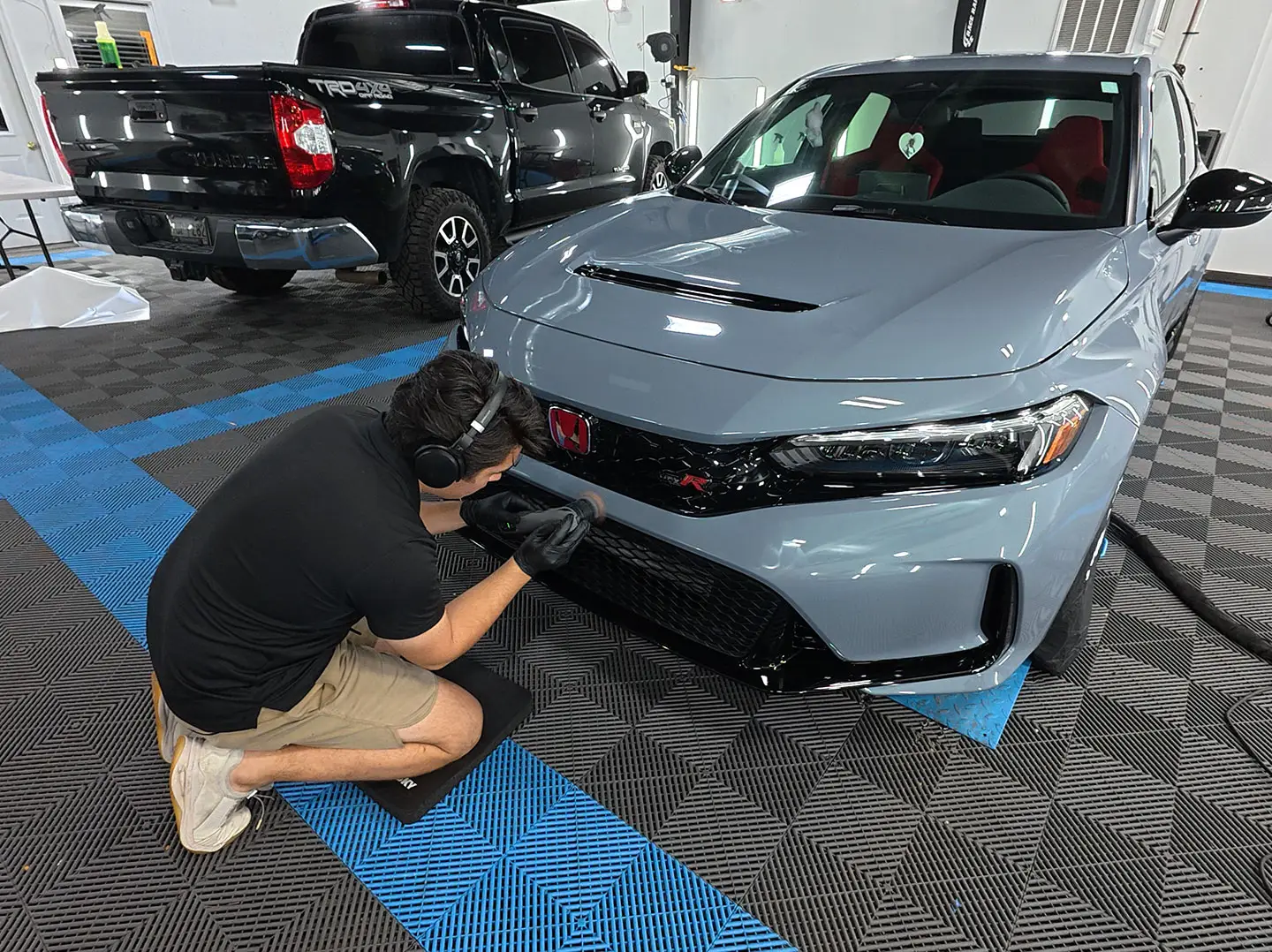
What is paint correction?
Paint correction is the process of permanently removing surface imperfections from your vehicle’s clear coat. Using specialized machines and polishing compounds, we level out the paint to remove swirl marks, fine scratches, oxidation and etching.
Is paint correction necessary before a ceramic coating or PPF?
We highly recommend it. Ceramic coatings and PPF are transparent layers that “lock in” the condition of the paint beneath them. If your paint has swirl marks, coating over them will seal those defects in. Correcting the paint first ensures you are protecting a flawless, glossy finish.
Will paint correction remove my clear coat?
Professional paint correction removes a microscopic amount of clear coat (often less than the thickness of a post-it note) to level the surface. We measure your paint depth to ensuring the integrity of the paint system is maintained safely.
Will paint correction damage my paint?
When done by experienced professionals, paint correction safely improves finish quality. We tailor the process to your paint’s condition and needs.
My car is brand new. Does it need paint correction?
Surprisingly, yes. New cars often arrive with “lot rot,” swirl marks from dealership washes or sanding marks from the factory. A light polish or “enhancement” ensures your new investment looks better than the day it rolled off the assembly line.
What types of paint defects can paint correction remove?
Paint correction can reduce or remove many defects located within the upper portion of the clear coat, including swirl marks, fine scratches, wash-induced marring, holograms, light oxidation and some water spots or chemical etching. The results depend on the depth of each defect and the condition of the remaining paint.
What defects cannot be corrected with polishing?
Paint correction cannot repair rock chips, dents, peeling clear coat, cracking paint or scratches that have penetrated through the clear coat and color layer. These problems may require touch-up paint, bodywork or refinishing before the vehicle can achieve a uniform appearance.
What is the difference between a one-step and multi-stage paint correction?
A one-step correction uses a single polishing process to improve gloss and reduce light to moderate imperfections. A multi-stage correction typically combines a more aggressive compounding stage with one or more refining stages to address heavier defects and restore greater clarity. The appropriate process depends on the paint’s hardness, condition and the desired result.
How do you determine which level of paint correction my vehicle needs?
We inspect the vehicle under focused lighting and evaluate the type, severity and location of the defects. We also consider the paint system, panel history and your expectations before recommending an appropriate correction process. A test section may be polished to determine how the paint responds before completing the entire vehicle.
Will every scratch disappear after paint correction?
Not necessarily. Some scratches are too deep to remove safely without compromising the clear coat. In those situations, reducing the visibility of the defect may be safer than attempting complete removal. Our goal is to achieve the best possible improvement while preserving the integrity of the paint.
How long does paint correction take?
The timeframe depends on the vehicle’s size, paint condition, number of correction stages and level of detail required. A light enhancement may take considerably less time than a multi-stage correction on heavily scratched or oxidized paint. We can provide a more accurate estimate after inspecting the vehicle.
Are paint correction results permanent?
The defects removed during paint correction do not simply return. However, new swirl marks and scratches can develop afterward through improper washing, drying or everyday contact. Proper maintenance and adding ceramic coating or PPF can help preserve the corrected finish.
Can swirl marks return after paint correction?
Yes. Paint correction restores the finish but does not make the clear coat scratch-proof. Dirty wash media, abrasive towels and poor washing techniques can introduce new marks. Careful hand washing with clean, paint-safe materials is recommended after correction.
Is paint correction especially beneficial for dark-colored vehicles?
Yes. Swirl marks, haze and fine scratches are often more noticeable on black, dark blue and other deep colors because the defects scatter reflected light. Correcting these imperfections can produce a dramatic improvement in depth, clarity and gloss, although lighter vehicles benefit as well.
Can paint correction restore faded or oxidized paint?
It can often improve light or moderate surface oxidation by removing the damaged upper layer and restoring clarity. Severe oxidation, clear-coat failure or fading beneath the clear coat may not be correctable and could require repainting. Professional inspection is necessary before determining what improvement is safely possible.
Can paint correction remove water spots or bird-dropping etching?
Many surface-level water spots and light chemical etchings can be reduced or removed through polishing. Deeper etching may remain visible if it extends too far into the clear coat to correct safely. Promptly removing mineral deposits, bird droppings and insect residue helps reduce the risk of permanent damage.
Can paint correction be performed on an older vehicle?
Yes, provided the paint is in suitable condition. Older vehicles can experience significant improvements in gloss and clarity, but the paint must first be evaluated for thin clear coat, previous repairs, oxidation or signs of failure. The correction process is then adjusted to the condition of each panel.
Can you correct repainted or previously repaired panels?
In many cases, yes. Refinished panels may differ from factory paint in hardness, thickness and overall quality, so they must be evaluated individually. Let us know about any previous bodywork or repainting so the appropriate products and techniques can be selected.
Can only one scratched panel be corrected?
Yes. Localized paint correction may be appropriate when the damage is limited to one panel or a small area. However, the corrected section may appear glossier than surrounding paint, so additional polishing may be recommended to create a more consistent finish across the vehicle.
Does paint correction remove orange peel?
Standard paint correction is intended to address surface defects and improve gloss, not completely eliminate factory orange peel. Reducing orange-peel texture generally requires more aggressive sanding and specialized refinishing techniques, which may not be advisable for every paint system.
Is paint correction the same as waxing?
No. Wax primarily adds temporary gloss and protection over the existing surface. Paint correction uses abrasives to actually reduce defects within the clear coat. Wax may temporarily disguise minor imperfections, but it does not provide the same lasting improvement in clarity.
Should I protect the paint after correction?
Yes. Once defects have been removed and the finish has been refined, adding ceramic coating, PPF or another suitable protectant helps preserve the improved appearance. Ceramic coating enhances gloss and makes maintenance easier, while PPF provides stronger physical protection against rock chips and road debris.
How should I care for my vehicle after paint correction?
Use careful hand-washing techniques, clean microfiber towels and automotive products appropriate for the protection applied afterward. Avoid abrasive brushes and dirty wash materials that can introduce new scratches. Consistent, gentle maintenance will help the corrected finish retain its clarity and gloss.
How often should paint correction be performed?
Paint correction should be performed when the condition of the finish justifies it rather than as a routine treatment on a fixed schedule. Because polishing removes a small amount of material, preventing new damage through proper washing and protection is preferable to repeatedly correcting the paint.



