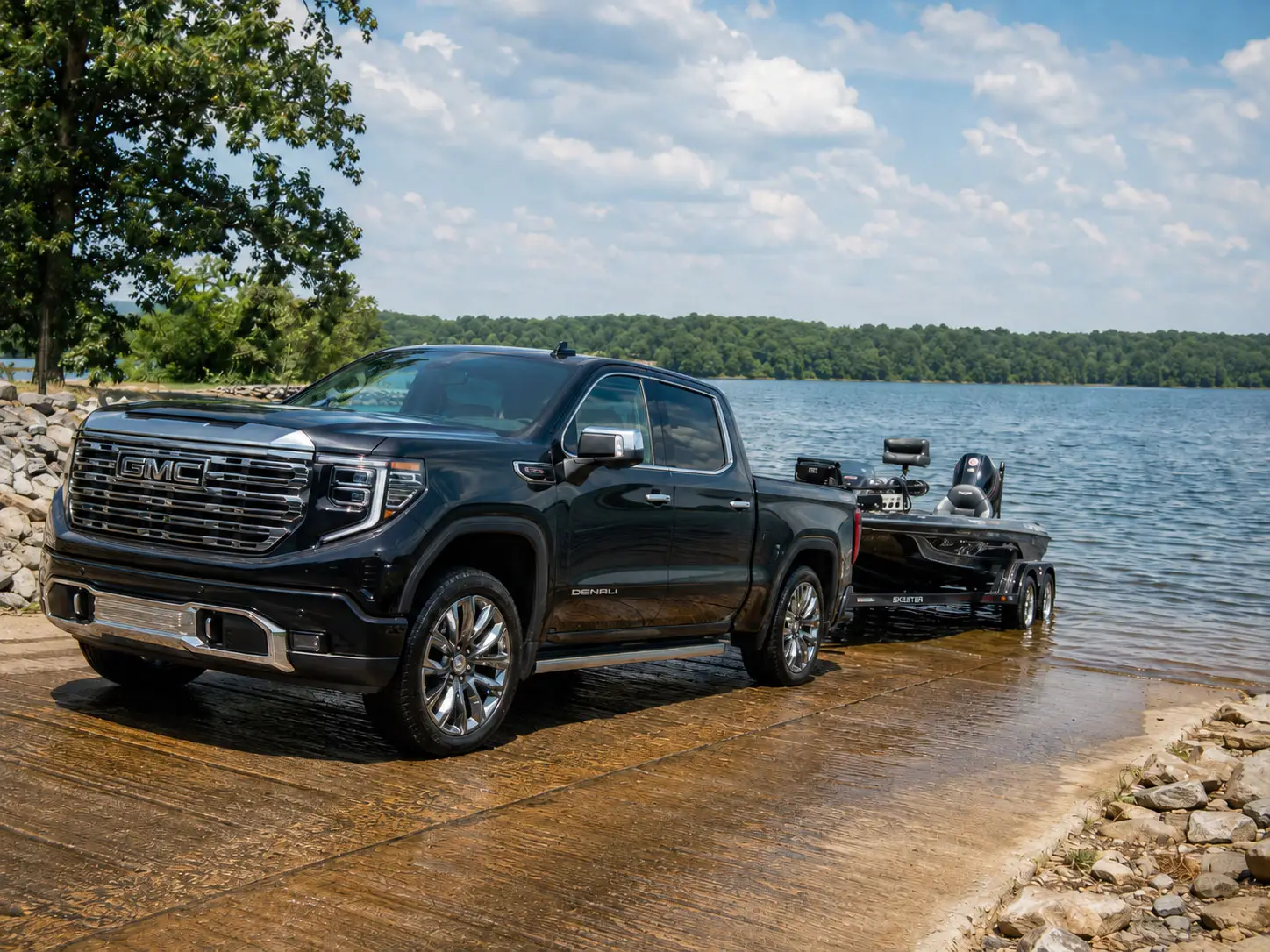
A day on Lake Murray should end with good memories — not a truck covered in muddy water spots, ramp grime, scratches and scuffs.
Whether you launch near Chapin, Lexington, Irmo or another Lake Murray access point, your tow vehicle faces a different type of wear than the average daily driver. Gravel parking areas, narrow launch lanes, wet gear, muddy shoes, trailer spray and crowded ramps can all take a toll on your truck’s paint, wheels, glass and interior.
Even when you are careful, repeatedly launching and retrieving a boat can leave behind damage that becomes increasingly difficult to correct.
Fortunately, the right combination of paint protection film, ceramic coating and regular maintenance can help keep your tow rig cleaner, better protected and ready for the next weekend on the water.
So, where does a lake truck need the most protection? Let’s take a closer look.
Boat Ramp Use Is Harder on Your Truck Than It Looks
Your truck does not have to go off-roading to experience paint damage. A typical trip to the boat ramp can expose it to several hazards within a relatively short period.
These may include:
- Loose gravel and sand thrown against the rocker panels
- Muddy water splashed by the truck or trailer tires
- Water spots left behind on paint, glass and chrome
- Tree sap, pollen and bird droppings near shaded parking areas
- Scratches from coolers, fishing equipment and other gear
- Scuffs around the rear bumper and tailgate
- Wet shoes, towels and life jackets inside the cab
- Sunscreen, food and drink residue on interior surfaces
- Road debris encountered while towing to and from the lake
The rear of the truck can be especially vulnerable. People frequently lean against the tailgate, slide equipment across the bumper or walk between the truck and trailer while carrying gear.
At the same time, towing often means driving on rural roads, gravel shoulders and construction-heavy routes where the front bumper, hood, mirrors and lower body panels are exposed to additional debris.
The damage from one trip may appear minor. After an entire boating season, however, the accumulated scratches, stains, water spots and surface wear can become much more noticeable.

Start With Paint Protection Film on High-Risk Areas
Paint protection film, commonly known as PPF or clear bra, creates a transparent physical barrier over the painted surface.
Instead of allowing gravel, grit, light scratches and minor abrasions to directly strike the truck’s clear coat, the film absorbs much of that everyday abuse. If the PPF becomes damaged, the affected section can often be professionally replaced without refinishing the painted panel underneath.
That makes PPF particularly useful for tow vehicles, which frequently encounter both highway debris and close-contact activity around the rear of the truck.
Protect the Front End During the Drive
The front bumper, hood, fenders, headlights and side mirrors receive a constant stream of insects, rocks, sand and road debris while traveling to the lake.
This exposure can become more intense when towing because the truck may spend more time on highways, rural roads and routes with loose debris along the shoulders.
Full-front PPF can protect:
- The complete hood
- Front bumper
- Front fenders
- Side mirrors
- Headlights
Covering complete panels also creates a more uniform appearance than stopping the film partway across the hood or fenders.

Add Protection to Rocker Panels and Lower Doors
Rocker panels are among the most vulnerable areas on a truck, particularly if the vehicle has aggressive all-terrain tires, wider wheels or an offset that allows debris to be thrown against the body.
Gravel, sand and muddy water can repeatedly strike the lower doors and rocker panels while driving through unpaved parking areas or pulling away from a wet ramp.
Applying PPF to these areas provides a replaceable layer of protection against chips, scratches and surface abrasion.
Pay Attention to the Rear Bumper and Tailgate Area
The rear of a tow rig often becomes an unofficial workbench.
Coolers, tackle boxes, tie-down straps, tools, boat covers and other equipment may be placed on or dragged across the bumper and tailgate. Even belt buckles, life jackets and clothing hardware can create light scratches when people lean against the truck.
Strategic PPF coverage can help protect rear loading surfaces and other painted areas that regularly come into contact with boating equipment.
Protect Door Cups and High-Contact Areas
Small areas can experience significant wear over time.
Door-handle cups may develop fingernail scratches, while door edges can be chipped when opened near trailers, posts or other vehicles. PPF can be installed in these targeted locations without requiring full-body coverage.
The appropriate package depends on the design of your truck and how you use it. Some owners may only need focused coverage, while others may benefit from protecting the entire front end, rocker panels and rear loading areas.
Ceramic Coating Makes Boat Ramp Grime Easier to Remove
Paint protection film is designed primarily for physical protection. Ceramic coating serves a different purpose.
A professional ceramic coating creates a slick, hydrophobic surface that helps reduce how strongly dirt, road film, insects, pollen and other contamination adhere to the vehicle.
For a Lake Murray tow rig, that can make routine cleanup much more manageable.
Water beads and moves away from coated surfaces more readily, while dried mud and ordinary road grime are generally easier to remove during a proper wash. The coating also enhances gloss and color depth, helping the truck maintain a freshly detailed appearance between lake trips.
Ceramic coating can be especially helpful against:
- Muddy splashback
- Insect residue
- Pollen
- Bird droppings
- Tree sap
- Road film
- Mineral contamination
- Ordinary environmental buildup
Contaminants should still be removed promptly. Ceramic coating does not eliminate the need to wash your truck and it cannot prevent rock chips or deep scratches.
Its primary advantage is that it creates a more durable, easier-to-maintain surface than unprotected clear coat or traditional wax alone.

Do Not Forget the Wheels, Glass and Interior
Protecting the paint is important, but it is not the only part of a tow rig that faces abuse.
Wheel and Caliper Ceramic Coating
Wheels collect brake dust, road film, mud and moisture during every trip. At the ramp, the lower portions of the truck may also be exposed to dirty standing water and spray from the trailer.
A dedicated wheel coating helps reduce how aggressively contamination bonds to the wheel surfaces. This can make detailed wheel designs, barrels and brake components easier to clean without repeated aggressive scrubbing.
Glass Ceramic Coating
Clear visibility is important when backing a trailer down a crowded ramp.
A ceramic glass coating creates a hydrophobic surface that helps water bead and move away from exterior glass. It can also make insects, dirt, water spots and road film easier to remove from the windshield, side windows and mirrors.
This is especially valuable when towing in rain or traveling early in the morning when moisture and insects are common.
Interior Surface Protection
Wet clothing, muddy shoes, sunscreen, food, drinks and fishing equipment can quickly make their way into the cab.
Specialized coatings can be applied to leather, fabric and other interior surfaces to help resist staining and make spills easier to address.
Interior protection can be particularly useful for:
- Light-colored leather
- Cloth seats
- Carpeted floor areas
- Family tow vehicles
- Trucks used for fishing
- Vehicles regularly carrying pets
- Owners who transport wet boating equipment
All-weather floor liners are still a smart addition, but protecting the upholstery and other surfaces provides another layer of defense.

Why PPF and Ceramic Coating Work Better Together
PPF and ceramic coating are sometimes treated as competing services, but they protect against different problems.
Paint protection film provides physical protection against:
- Rock chips
- Gravel impacts
- Light scratches
- Surface abrasions
- Equipment scuffs
- Road debris
Ceramic coating provides surface and maintenance benefits such as:
- Easier washing
- Strong water repellency
- Enhanced gloss
- Reduced contaminant adhesion
- Better resistance to environmental buildup
- Less dependence on traditional waxing
For a frequently used Lake Murray tow rig, combining the two can provide more complete protection.
PPF can be installed over the areas most likely to be chipped or scratched. Ceramic coating can then be applied to compatible painted and protected surfaces to improve gloss, water behavior and ease of maintenance.
This approach allows the truck to handle physical wear while remaining easier to clean after a day at the ramp.
A Simple Post-Ramp Care Routine
Professional protection works best when it is paired with consistent maintenance.
After launching or retrieving your boat, inspect the lower body panels, rear bumper, wheels and tailgate area. Remove visible contamination before it is allowed to bake onto the surface in the South Carolina sun.
A practical post-ramp routine may include:
- Rinse away loose mud and grit before wiping the truck.
- Clean the rocker panels, wheel wells and rear bumper carefully.
- Wash with an automotive soap and clean wash media.
- Avoid scrubbing dry contamination across the paint.
- Dry the truck to reduce water spotting.
- Remove wet towels, life jackets and equipment from the interior.
- Address spills, sunscreen and mud before they settle into upholstery.
- Inspect PPF edges and protected surfaces for unusual damage.
Avoid using household detergents, abrasive brushes or dirty towels. These may remove protective products or create the same scratches you are trying to prevent.
Ceramic coating makes maintenance easier, but safe washing techniques remain important.

What Protection Makes Sense for Your Tow Rig?
You do not necessarily need to protect every surface to see a meaningful benefit.
The right package depends on how frequently you tow, the age of the truck, the condition of the paint and how long you plan to keep the vehicle.
Occasional Weekend Towing
A truck that only visits the lake a few times each year may benefit from:
- Front bumper and partial hood PPF
- Mirror protection
- Rear bumper or loading-area protection
- Paint ceramic coating
- Glass coating
Regular Lake Murray Use
A frequently used tow vehicle may benefit from:
- Full-front PPF
- Rocker-panel protection
- Headlight protection
- Rear loading-area coverage
- Full exterior ceramic coating
- Wheel and glass coatings
- Interior fabric or leather protection
New or Premium Trucks
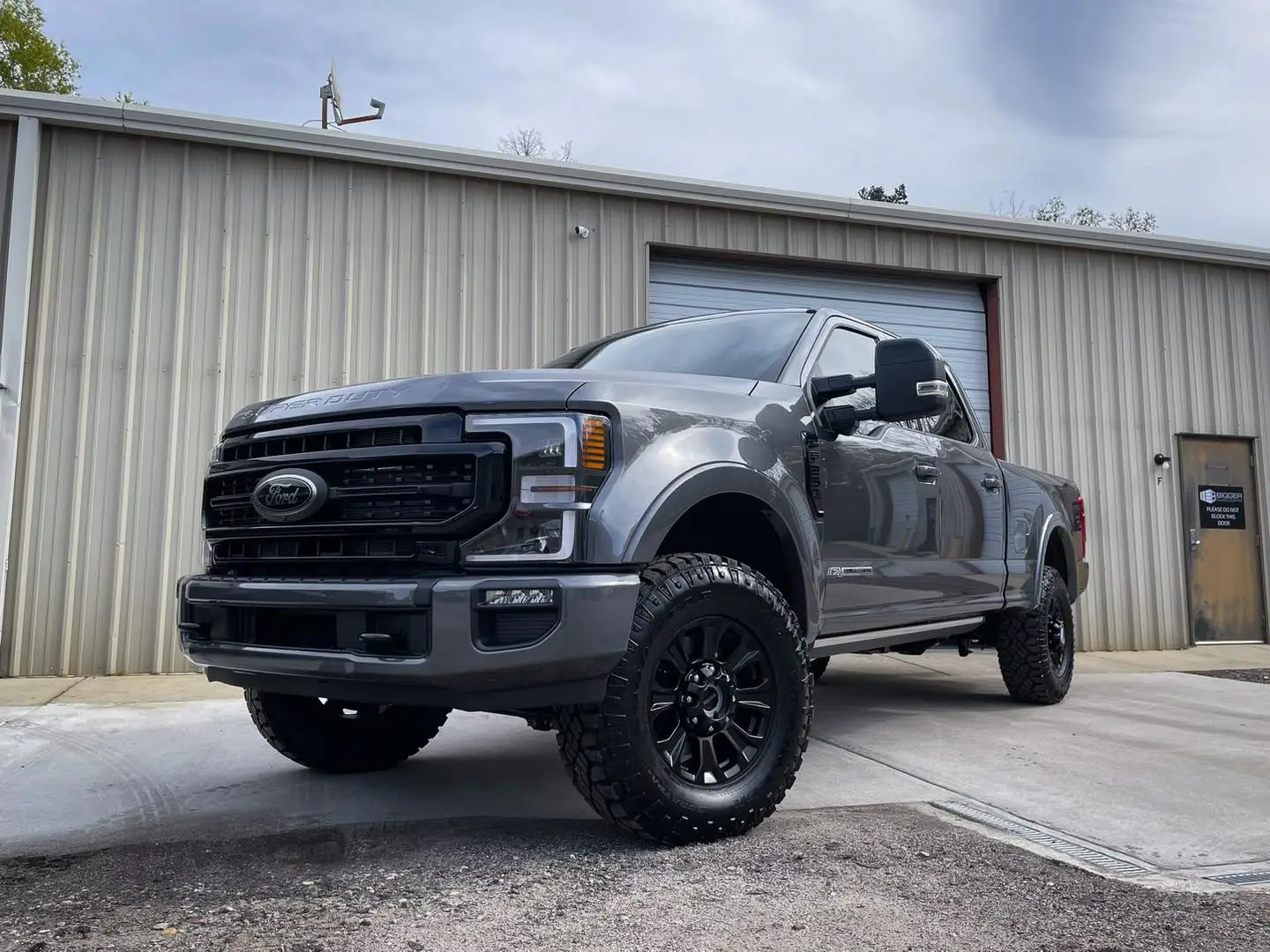
New trucks, luxury pickups and high-trim heavy-duty models may justify more comprehensive protection.
Installing PPF early helps preserve the factory finish before chips and scratches accumulate. Broader ceramic coating coverage can then simplify maintenance and help the entire vehicle retain a cleaner, glossier appearance.
Full-body PPF may also be appropriate for owners who want maximum coverage or plan to keep their truck for many years.
Is Tow Rig Protection Worth It?
A tow vehicle is expected to work, but that does not mean it has to look abused.
Professional protection can be worthwhile for truck owners who:
- Tow regularly
- Frequently use gravel or unpaved ramps
- Own a new or high-value truck
- Want to reduce visible chips and scratches
- Are frustrated by difficult cleanup after lake trips
- Plan to keep their truck long-term
- Want to preserve its appearance and resale value
PPF and ceramic coating cannot prevent dents, severe impacts or every possible scratch. They can, however, provide a replaceable physical barrier and a more easily maintained surface that helps reduce the effects of routine towing and boat ramp use.
Protect Your Lake Murray Tow Rig at Clean Image
Your truck does more than get you to the lake. It carries your equipment, pulls your boat and helps make every weekend on the water possible.
Protecting it should be based on how the vehicle is actually used.
Clean Image offers SunTek paint protection film and professional GYEON ceramic coating services for trucks, SUVs and other vehicles throughout the Columbia, South Carolina metro area, including Chapin, Irmo, Lexington, Lake Murray, West Columbia, Forest Acres, Blythewood and surrounding communities.
From full-front PPF and rocker-panel protection to ceramic coatings for paint, wheels, glass and interior surfaces, our team can create a customized protection package for your tow vehicle.
Contact Clean Image to discuss your truck, towing habits and protection priorities before the next boating season — or the next trip down the ramp.