
If you’ve recently purchased a new vehicle or are looking for the best way to protect your investment, you’ve probably come across two popular options: paint protection film (PPF) and ceramic coating.
One of the most common questions we hear at Clean Image is:
“Should I get PPF or ceramic coating first?”
The short answer is simple:
If your budget allows for only one service initially, start with PPF on the areas most vulnerable to damage. Then add ceramic coating later.
Here’s why.
Understanding the Difference Between PPF and Ceramic Coating
Although both services protect your vehicle, they do very different jobs.
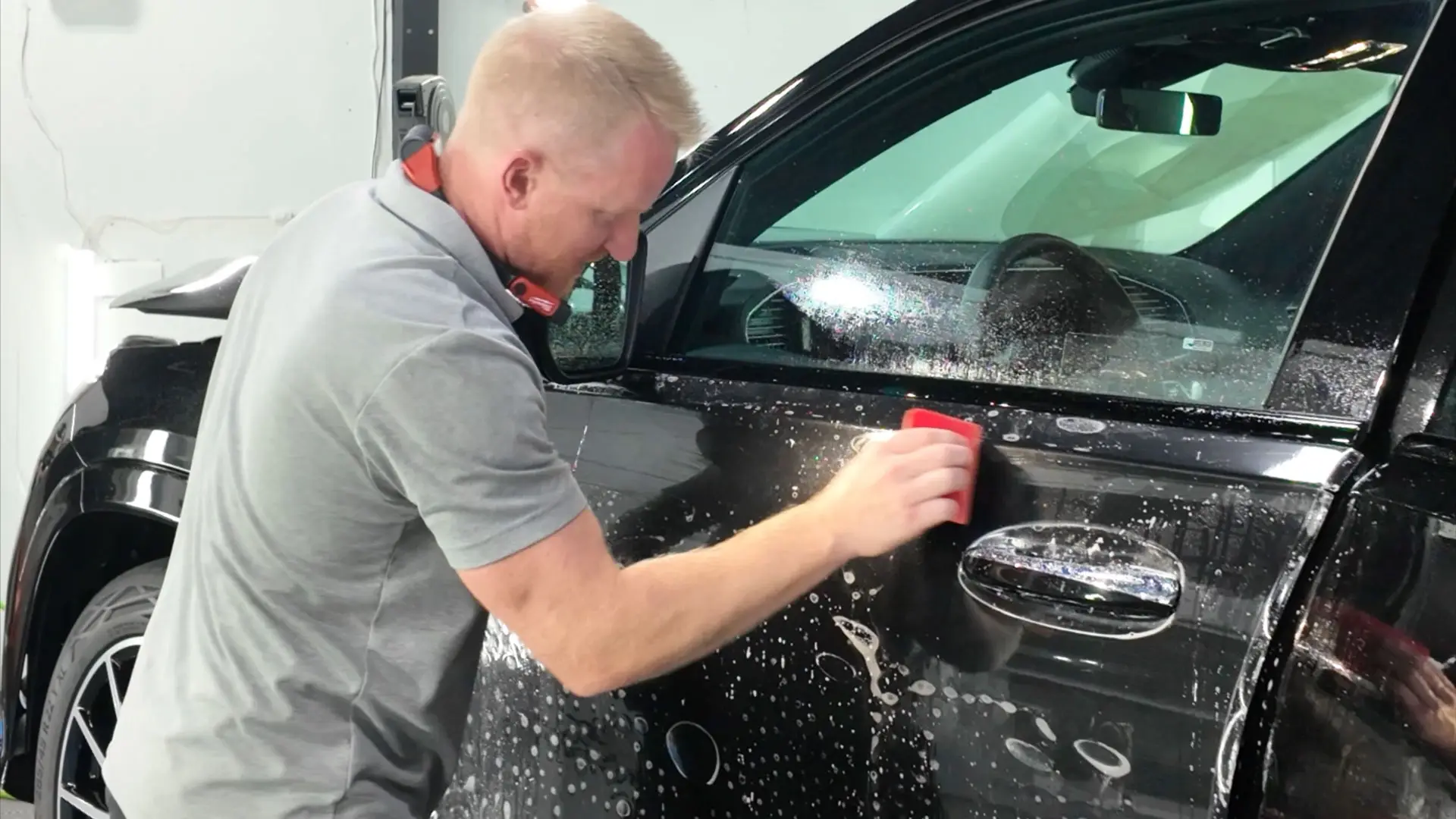
What is Paint Protection Film (PPF)?
PPF is a transparent polyurethane film applied directly to your vehicle’s painted surfaces.
Its primary purpose is to provide a physical barrier against:
- Rock chips
- Road debris
- Bug acids
- Minor scratches
- Road salt
- Everyday wear and tear
Modern premium films are also self-healing, meaning minor swirl marks and scratches can disappear when exposed to heat.
Think of PPF as a protective shield for your paint.
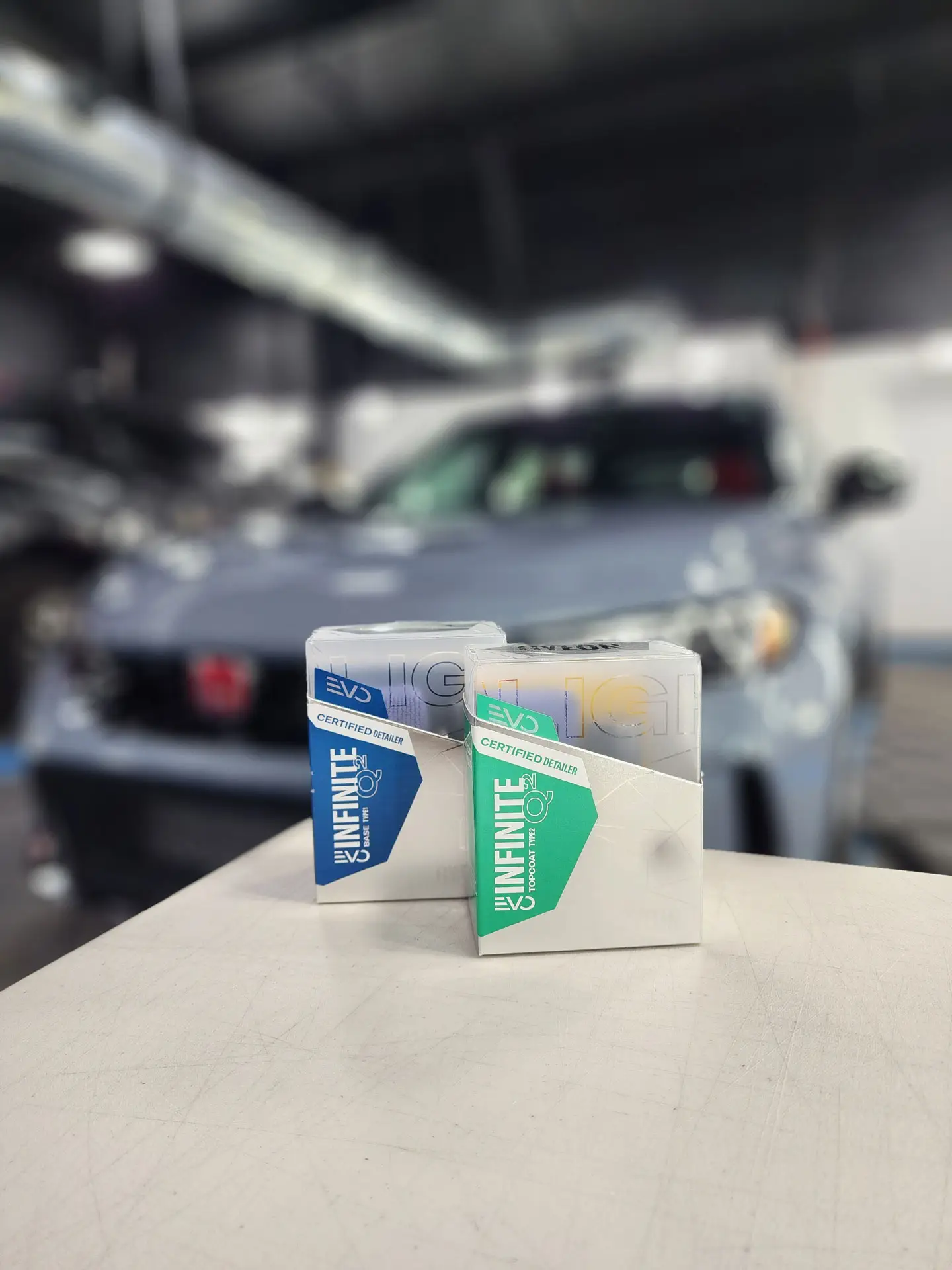
What is Ceramic Coating?
Ceramic coating is a liquid polymer that chemically bonds to your vehicle’s paint surface.
Its primary benefits include:
- Enhanced gloss and shine
- Easier cleaning
- Water beading and hydrophobic properties
- UV protection
- Reduced staining from contaminants
Ceramic coating does not create a thick physical barrier like PPF.
Think of ceramic coating as a high-performance protective layer that makes maintenance easier and keeps your vehicle looking cleaner longer.
What PPF Protects Against That Ceramic Coating Cannot
This is where many vehicle owners become confused.
A ceramic coating can help prevent water spots and make washing easier, but it will not stop a rock traveling 70 mph down the highway.
PPF is specifically designed to absorb impacts that would otherwise damage your paint.
For drivers in the Carolinas, common paint damage comes from:
- Highway driving
- Construction zones
- Gravel roads
- Road debris
- Daily commuting
The areas most likely to suffer damage include:
- Front bumper
- Hood
- Front fenders
- Headlights
- Mirror caps
- Rocker panels
These are exactly the areas where PPF delivers the greatest value.
Why We Recommend PPF First
Imagine your vehicle develops several rock chips during its first year of ownership.
Even if you later install ceramic coating, those chips are already permanent paint damage.
Ceramic coating can help preserve paint, but it cannot repair missing paint.
That’s why we generally recommend:
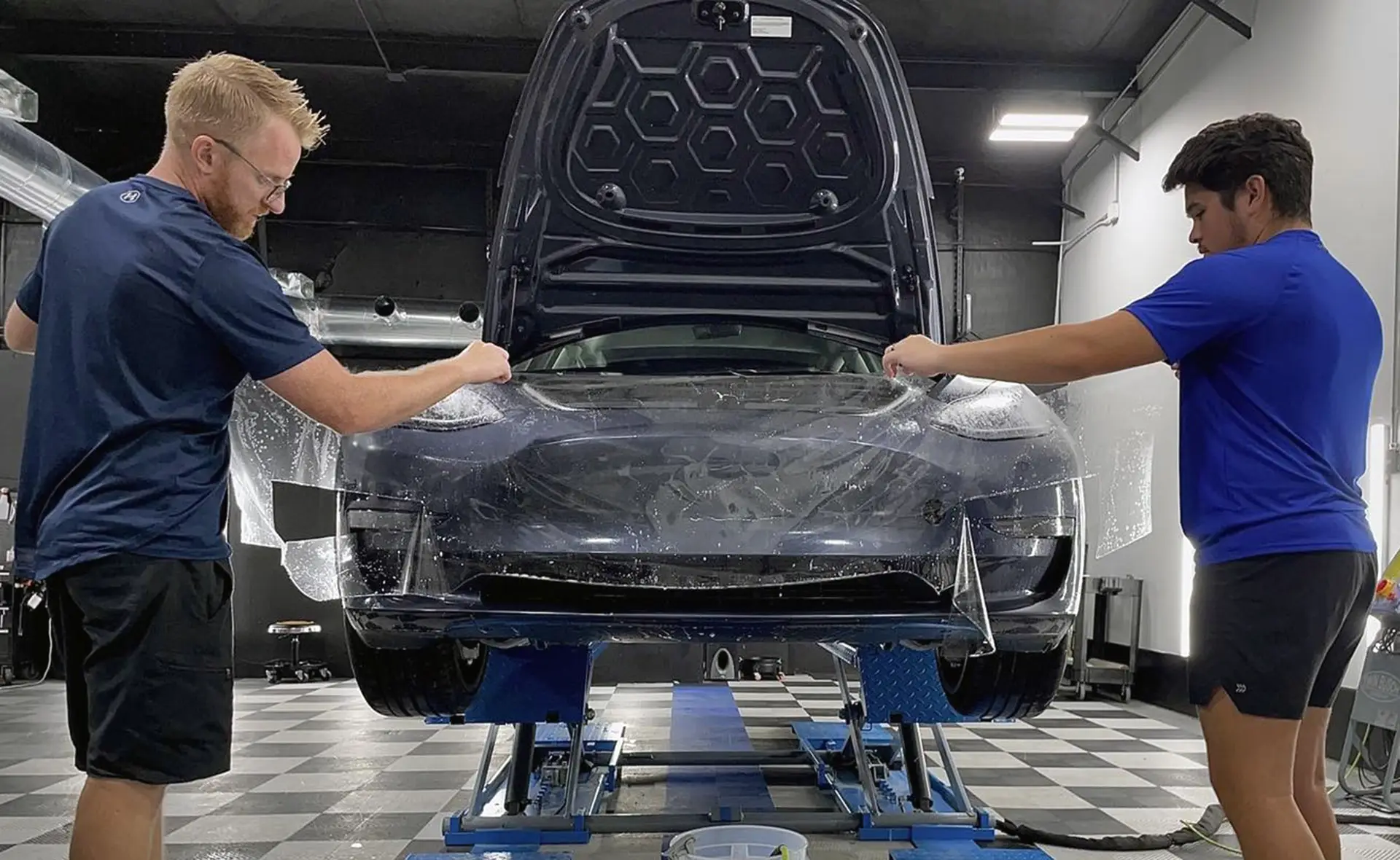
Step 1: Install PPF
Protect the most vulnerable surfaces before damage occurs.
Popular options include:
- Front bumper package
- Partial front-end package
- Full front-end package
- Full vehicle PPF
Step 2: Add Ceramic Coating
Once the film is installed, ceramic coating can be applied over the film and the remaining painted surfaces.
This creates a complete protection system that offers both impact resistance and easy maintenance.

The Best of Both Worlds
Many luxury, exotic and performance vehicle owners choose both services because they complement each other perfectly.
PPF provides:
- Impact protection
- Scratch resistance
- Self-healing properties
Ceramic coating provides:
- Gloss enhancement
- Water beading
- Easier maintenance
- Chemical resistance
Together, they create the highest level of protection currently available for automotive paint.
What If Your Budget Is Limited?
Not everyone wants to invest in a full protection package immediately.
If you’re deciding where to start, we generally recommend prioritizing protection in this order:
Option 1: Front-End PPF
Protect the areas most likely to be damaged.
Option 2: Ceramic Coating
Protect the remaining painted surfaces and improve maintenance.
This strategy prevents costly paint repairs later while still allowing you to enhance and preserve your vehicle’s appearance.
New Vehicle Owners: Timing Matters
The best time to install PPF and ceramic coating is when your vehicle is new or as soon as possible after purchase.
Once paint chips, scratches, and contamination occur, additional paint correction may be required before protection can be installed.
Protecting your vehicle early helps maintain:
- Appearance
- Resale value
- Paint condition
- Long-term ownership satisfaction
Final Verdict: Which Should You Get First?
If you’re choosing between PPF and ceramic coating, the answer depends on your goals.
If your priority is preventing rock chips and preserving factory paint:
Get PPF first.
If your primary goal is easier maintenance and enhanced gloss:
Ceramic coating may be enough.
For the ultimate protection package, combine both services.
PPF protects against physical damage, while ceramic coating enhances appearance and makes maintenance easier.
Together, they provide the best long-term defense for your vehicle’s finish.
Protect Your Vehicle with Clean Image
Whether you’re considering PPF, ceramic coating, or a complete protection package, our team can help you determine the right solution for your vehicle and budget.
Contact Clean Image today to schedule a consultation and learn how we can keep your vehicle looking its best for years to come.