
Your windshield is one of the most exposed — and most important — surfaces on your vehicle. Every time you drive, it takes direct hits from sand, gravel, loose pavement, construction debris and anything else thrown into the air by surrounding traffic.
Most vehicle owners understand the value of paint protection film on their bumper and hood, but the windshield is often overlooked. Windshield protection film, sometimes called windshield PPF, creates an optically clear barrier that helps protect the glass from rock chips, surface pitting, scratches and other everyday road damage.
For South Carolina drivers, that protection can be especially valuable.
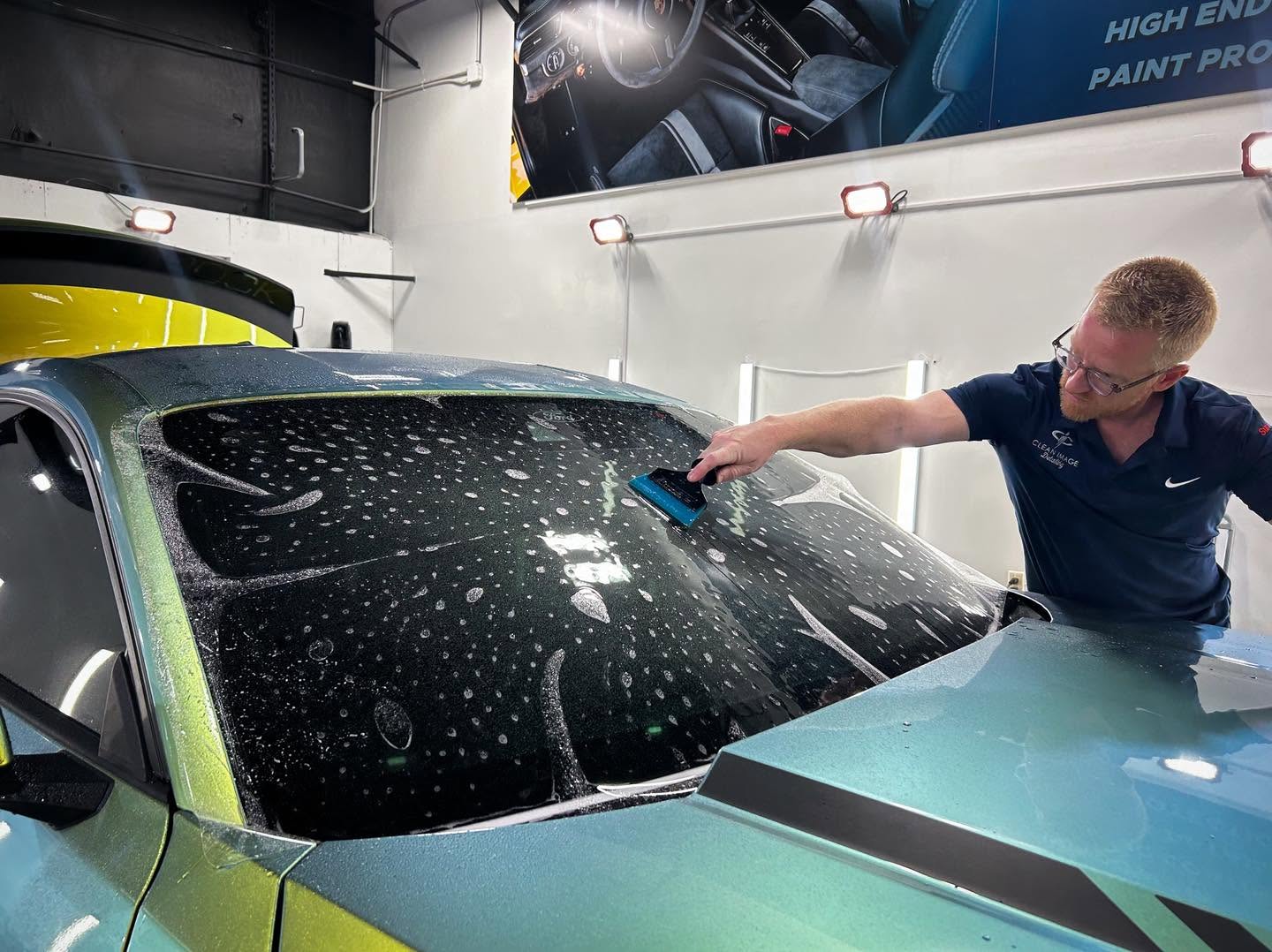
What Is Windshield Protection Film?
Windshield protection film is a transparent protective material installed on the exterior surface of automotive glass. It is specifically engineered for windshield use and should not be confused with standard body PPF or interior window tint.
The film acts as a replaceable, sacrificial layer between your windshield and the road. When sand, gravel or other small debris strikes the vehicle, the film can help absorb and disperse part of that impact before it reaches the glass.
Depending on the impact, windshield protection film may help reduce:
- Rock chips
- Small impact fractures
- Surface scratches
- Sand and debris pitting
- Premature windshield wear
- The likelihood of a chip developing into a larger crack
No film can make a windshield indestructible. A large object or severe impact can still damage the glass. However, the added barrier can significantly improve your windshield’s defense against the smaller, more frequent hazards encountered during everyday driving.
South Carolina Roads Can Be Hard on Windshields
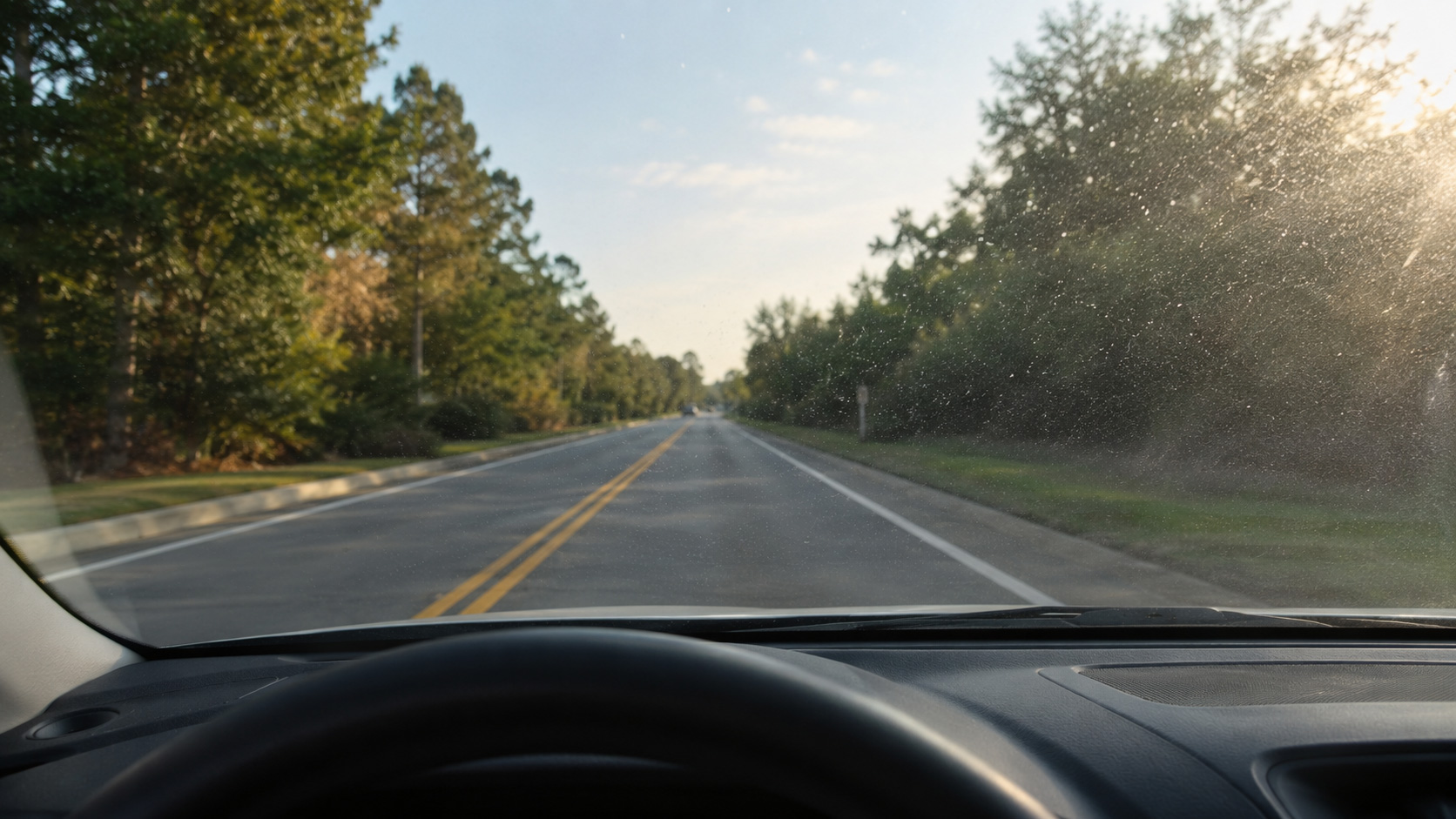
Sand and fine road grit are common throughout South Carolina, particularly around construction zones, road shoulders, rural routes and areas with ongoing development. Loose aggregate, gravel and debris can also fall from trucks or be lifted from the roadway by passing vehicles.
At highway speeds, even a tiny particle can strike the windshield with considerable force.
The damage is not always immediately noticeable. Fine sand and grit can gradually create thousands of microscopic marks across the glass. This is commonly known as windshield pitting.
Over time, a heavily pitted windshield may:
- Develop a dull or hazy appearance
- Produce additional glare in direct sunlight
- Make nighttime headlights more distracting
- Become harder to clean
- Lose some of its original optical clarity
A windshield does not need to have a large crack to look worn. Years of sand, grit and highway debris can make the glass appear aged long before the rest of the vehicle.
Windshield protection film takes much of this daily abuse so the original glass does not have to.
A Small Chip Can Quickly Become a Large Crack
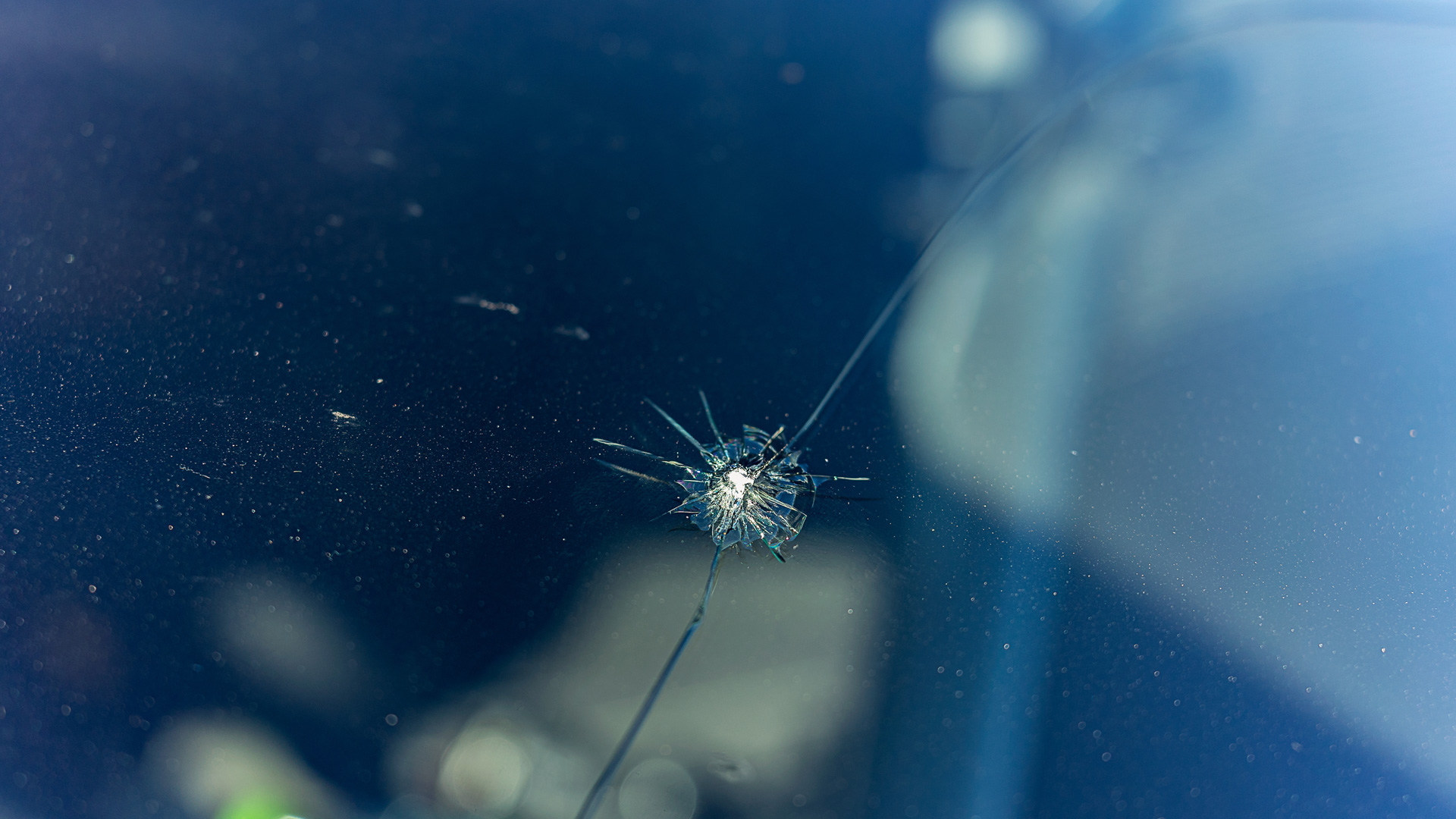
Many windshield replacements begin with a chip that initially appears harmless.
Temperature changes, road vibration and normal body movement can place additional stress on the damaged area. A chip may begin spreading after the vehicle sits in the South Carolina sun and the air conditioning rapidly cools the cabin. It can also grow after hitting a pothole or traveling across a rough section of road.
Once a crack begins spreading, a simple repair may no longer be possible. The entire windshield may need to be replaced.
Windshield PPF cannot guarantee that every impact will be stopped, but it can help reduce the chance that small road debris makes direct contact with the glass in the first place.
South Carolina’s Windshield Law Does Not Make Every Replacement Free
South Carolina is often described as a “free windshield replacement” state, but that explanation leaves out an important detail.
Under current South Carolina law, an automobile physical-damage deductible does not apply to covered automobile safety glass. However, the South Carolina Department of Insurance clarifies that the vehicle must carry comprehensive coverage for the insurer to replace a damaged windshield under that coverage.
In other words, it is more accurate to describe South Carolina as providing zero-deductible windshield replacement for qualifying covered claims—not universally free windshields for every driver.
The policyholder is still paying for comprehensive insurance and the replacement still requires an insurance claim.
Repeated Windshield Claims Could Affect Your Insurance Costs
A single glass claim does not automatically mean your insurance premium will increase. Glass claims are often treated differently from at-fault accident claims and every insurance company uses its own approved rating and underwriting practices.
However, a zero-dollar deductible does not necessarily mean there are no potential insurance consequences.
Depending on the insurance company, state rules and the driver’s overall history, filing claims may affect:
- Claims-free discounts
- Underwriting review
- Renewal pricing
- Eligibility for certain coverage tiers
- The insurer’s assessment of future risk
Multiple claims within a relatively short period can be more concerning than an isolated windshield replacement. Even when a claim does not produce a direct surcharge, it may still become part of the vehicle owner’s claims history.
Windshield protection film cannot guarantee a lower insurance premium, but it may help reduce the likelihood of damage that would otherwise lead to another glass claim. Preventing even one replacement could make the film worthwhile—especially for someone who has already filed one or more recent claims.
Modern Windshields Are More Complicated to Replace
On many newer vehicles, the windshield is no longer simply a piece of glass.
It may be integrated with:
- Forward-facing cameras
- Lane-departure warning systems
- Automatic emergency braking
- Rain sensors
- Light sensors
- Head-up displays
- Antennas
- Driver-assistance technology
When a windshield is replaced, some of these systems may need to be transferred, inspected or recalibrated according to the vehicle manufacturer’s procedures. This can make replacement more involved than many drivers expect.
Even if insurance covers the financial cost, the owner may still have to schedule the replacement, coordinate recalibration and spend time verifying that the vehicle’s technology is operating properly.
Protecting the original windshield can help reduce the chance of having to go through that process unnecessarily.
Windshield Film Helps Preserve the Original Glass
There is value in keeping a vehicle’s original factory windshield whenever reasonably possible.
The original glass was installed under controlled factory conditions and is already properly fitted to the vehicle. Avoiding an unnecessary replacement also means avoiding the possibility of installation issues such as wind noise, water leaks, damaged trim or improperly calibrated technology.
A properly completed replacement can restore the vehicle safely, but preventing the damage is still more convenient than repairing it afterward.
Windshield protection film provides a renewable exterior layer that can be removed and replaced after it becomes worn. Instead of allowing years of road grit to permanently pit the windshield, the film receives much of that surface damage.
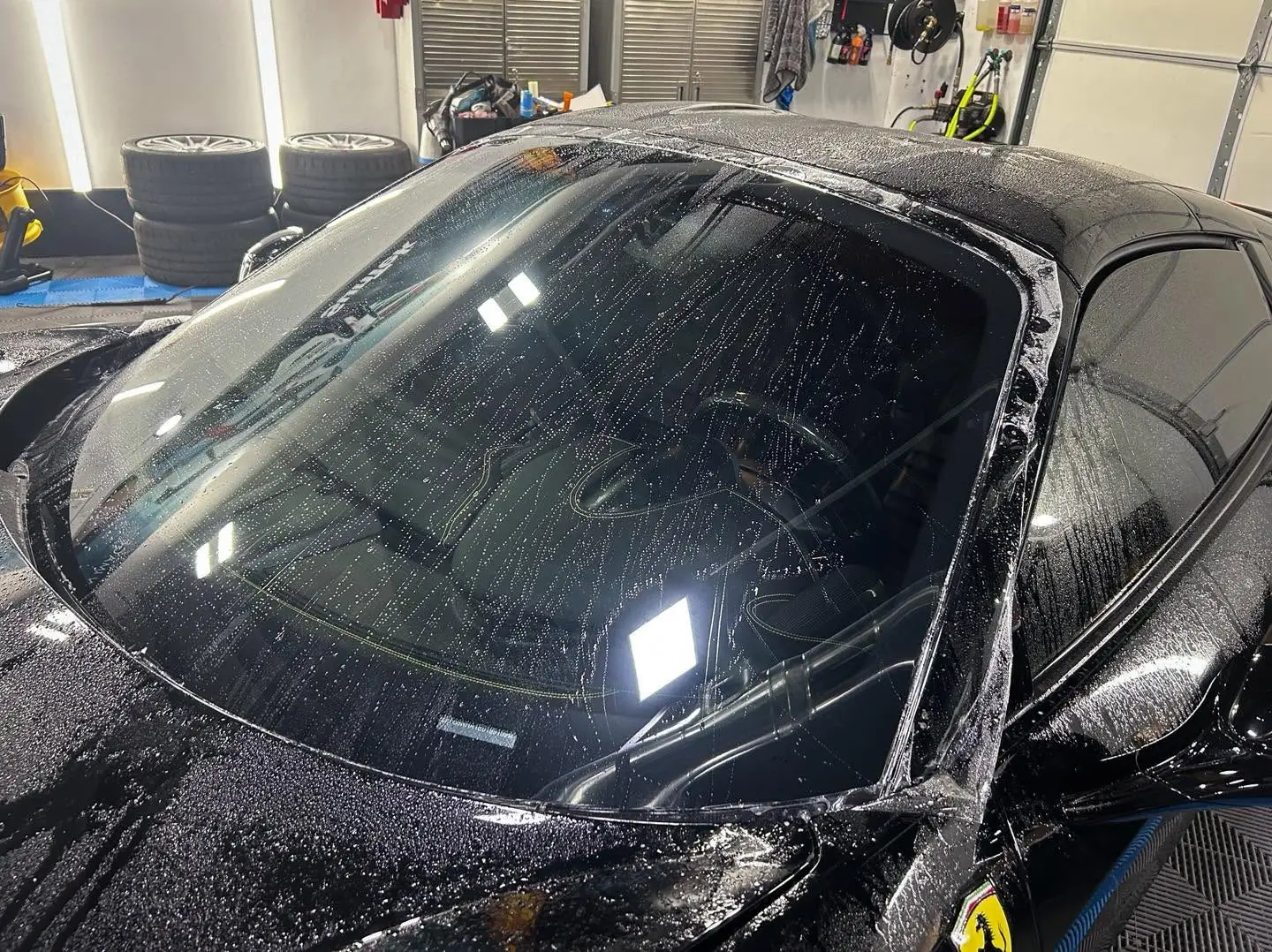
Who Benefits Most From Windshield Protection Film?
Windshield PPF can be valuable for nearly any vehicle, but it is especially worth considering for:
- High-mileage commuters
- Drivers who regularly travel on I-26, I-20, I-77 or other major highways
- Vehicles frequently driven near construction zones
- Drivers who spend time behind trucks and commercial traffic
- New, luxury, exotic or collectible vehicles
- Vehicles with expensive or difficult-to-source windshields
- Cars equipped with windshield-mounted cameras and sensors
- Owners who want to minimize future insurance claims
- Anyone frustrated by repeated rock chips or windshield pitting
The more time a vehicle spends on the road, the more opportunities there are for something to strike the windshield.
Added UV Protection for You and Your Vehicle’s Interior
Windshield protection film provides more than defense against sand, gravel and road debris. Its UV-rejecting properties add another layer of protection between the sun’s harmful ultraviolet rays and everyone inside the vehicle. This can be especially valuable for South Carolina drivers who spend long periods commuting or regularly leave their vehicles exposed to intense sunlight.
UV exposure can also gradually damage a vehicle’s interior. Dashboards, upholstery, leather, plastics and interior trim may fade, discolor, dry out or deteriorate after years in the sun. By reducing the amount of UV radiation entering through the windshield, the film can help preserve the interior’s original appearance and condition.
This additional UV defense makes windshield protection film beneficial even when the vehicle is not encountering road debris. It helps protect the windshield, the vehicle’s occupants and the interior — all without noticeably changing the clarity or appearance of the glass.
Windshield Protection Film Has Limits
Like paint protection film, windshield film is designed to reduce damage—not make the surface invulnerable.
A heavy object or high-energy impact may still penetrate the film and damage the glass. The material can also wear over time from windshield-wiper use, weather exposure and repeated impacts.
The film should therefore be viewed as a replaceable layer of defense. Following the manufacturer’s care recommendations and replacing worn windshield wipers can help support the film’s appearance and performance.
Most importantly, windshield protection film should not be used to cover existing cracks or make unsafe glass appear acceptable. Existing windshield damage should be professionally evaluated before film is installed.
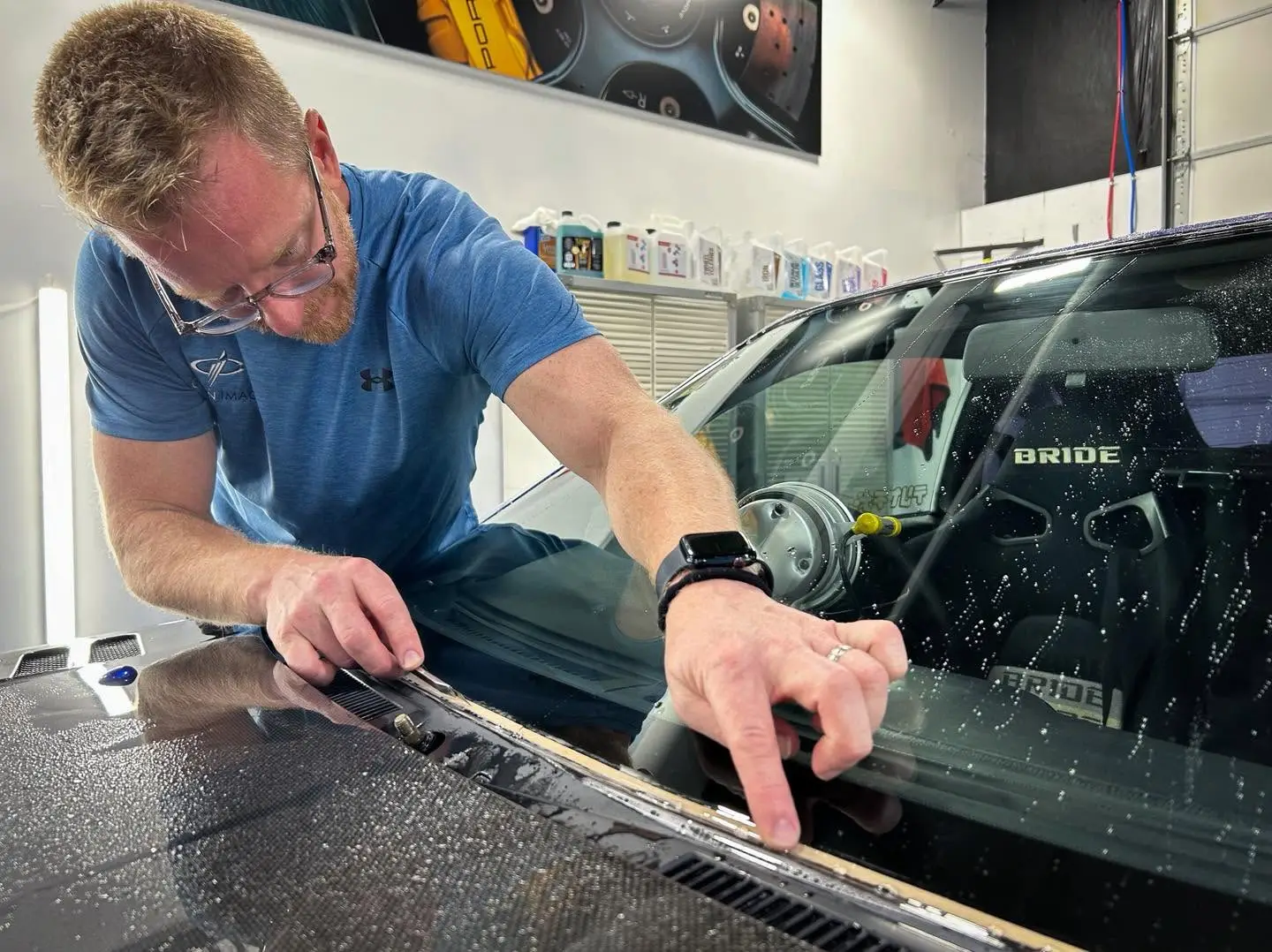
Professional Installation Is Essential
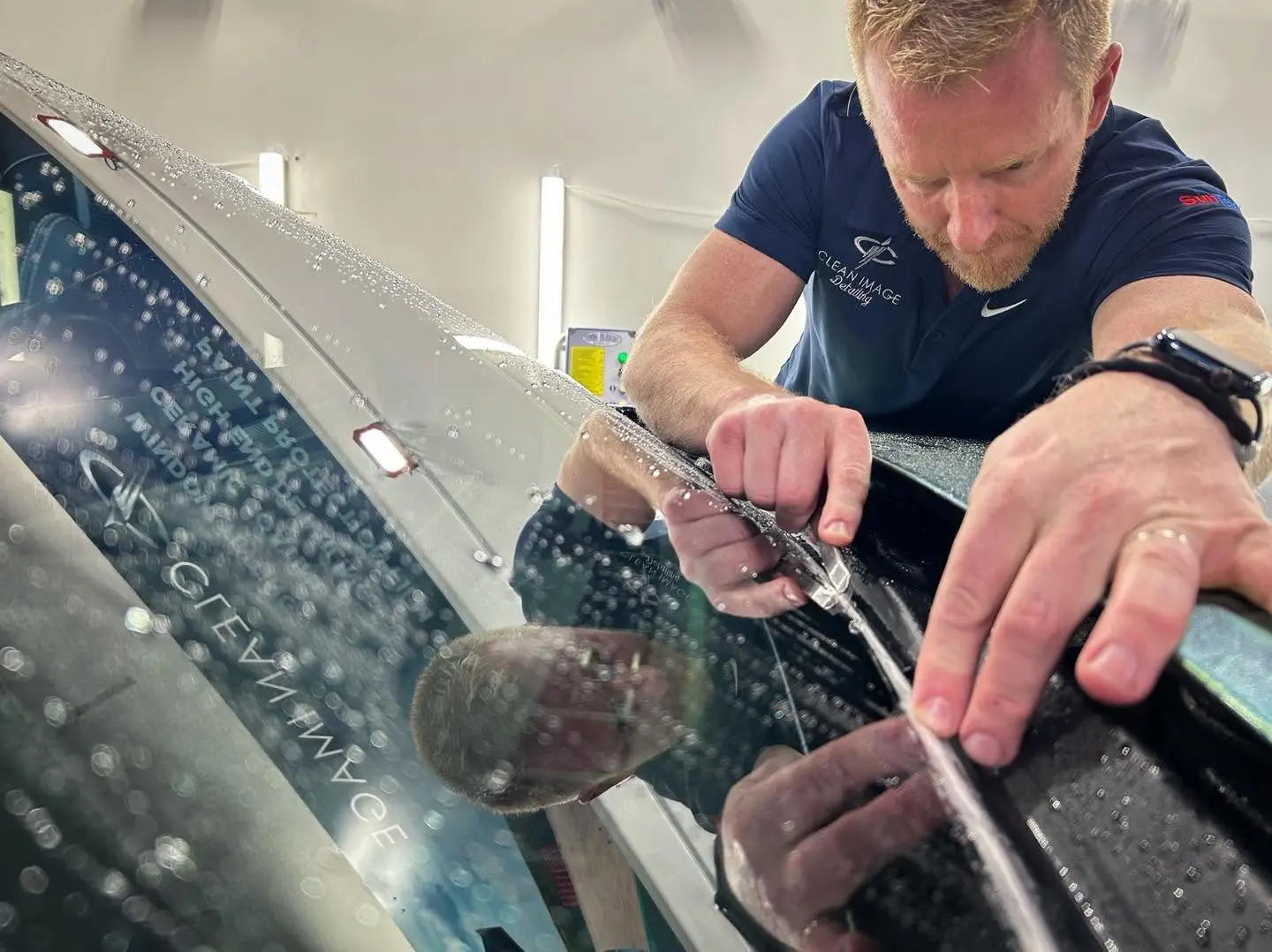
Optical clarity is critical on any material placed over a windshield. Poor preparation or installation can produce visible contamination, distortion, trapped moisture, uneven edges or premature film failure.
Professional installation helps ensure:
- Proper surface preparation
- Clean, contamination-free application
- Accurate film alignment
- Clear visibility through the glass
- Proper fit around sensors and windshield edges
- Smooth interaction with the windshield wipers
The windshield should also be carefully inspected before installation. Existing chips, cracks and severe pitting may need to be addressed before the film can be applied.
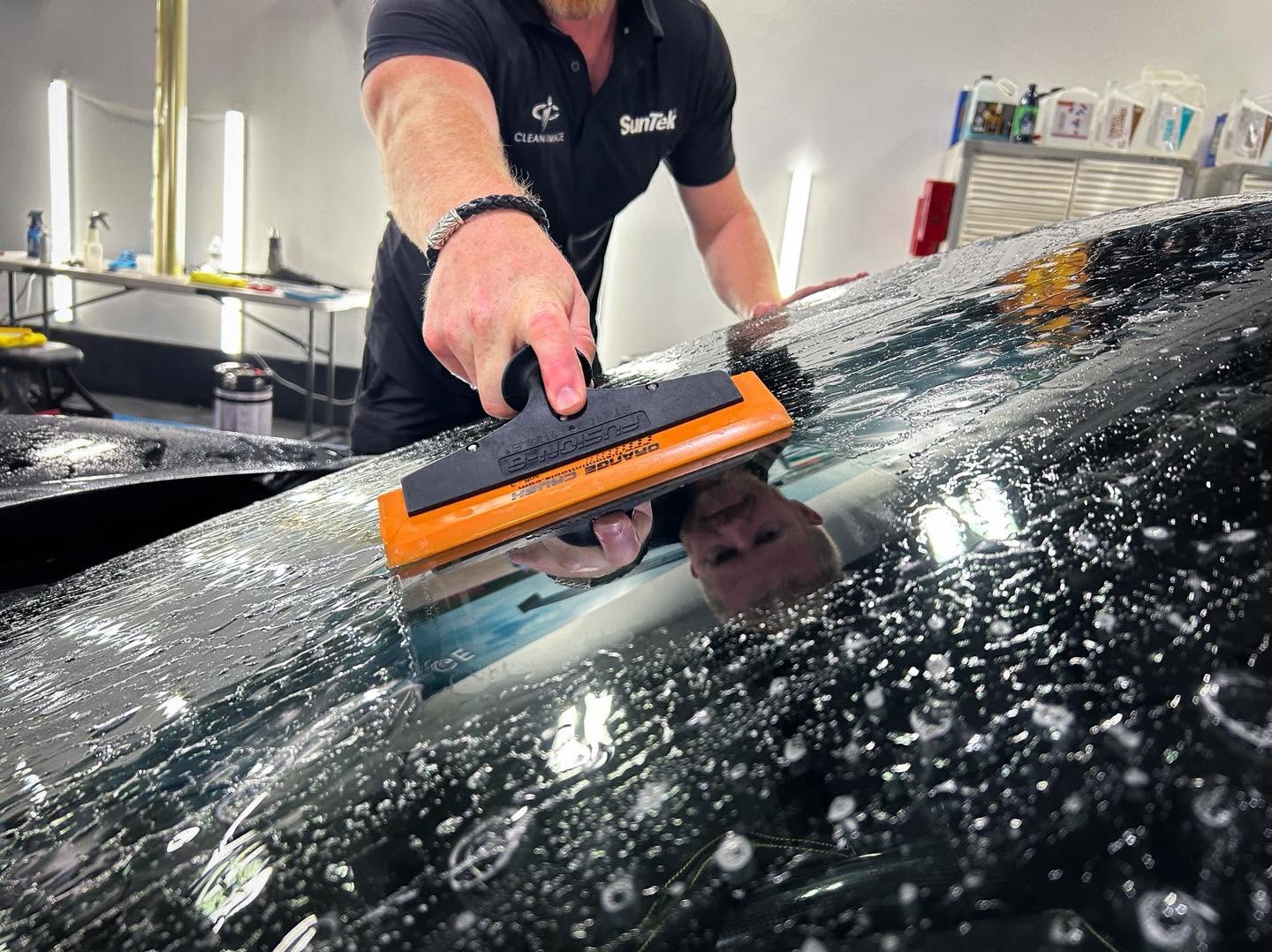
Is Windshield Protection Film Worth It?
For South Carolina drivers, windshield protection film can be a worthwhile investment in prevention.
It helps defend against the sand, grit, gravel and road debris that gradually damage automotive glass. It may reduce the likelihood of rock chips, slow the accumulation of permanent pitting and help preserve the original windshield.
South Carolina’s zero-deductible safety-glass law can be valuable when a replacement is unavoidable, provided the driver has qualifying coverage. But avoiding a replacement—and potentially another insurance claim—is still preferable whenever possible.
Windshield PPF gives the road debris something replaceable to hit before it reaches something far more expensive and difficult to replace.
Protect Your Windshield at Clean Image
Your hood and bumper are not the only surfaces facing road debris. Your windshield takes every mile head-on and deserves its own layer of protection. Clean Image serves vehicle owners throughout the Columbia, South Carolina metro area, including Chapin, Irmo, Lexington, Lake Murray, West Columbia, Forest Acres, Blythewood and surrounding communities.
Contact Clean Image to learn more about windshield protection film and determine whether it is the right choice for your vehicle and driving habits.